Turkish Cuisine: Exploring the Different Types of Overheads
Category : Turkish Food Logistics Companies en | Sub Category : Posted on 2024-10-05 22:25:23
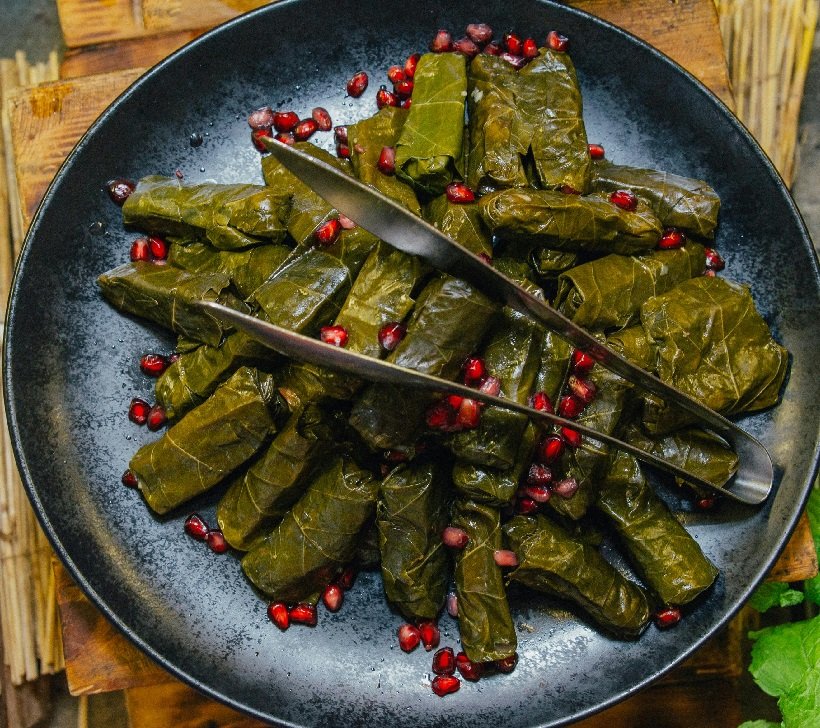
Turkish cuisine is renowned for its rich flavors, diverse ingredients, and intricate preparation methods. From succulent kebabs and hearty stews to delicate pastries and refreshing salads, Turkish cuisine offers a wide array of dishes that cater to all tastes. One distinctive aspect of Turkish cooking is the use of various types of overheads, which are essential components in many traditional recipes. In this blog post, we will explore the different types of overheads used in Turkish cuisine and how they enhance the flavor and texture of dishes. 1. Olive Oil: Olive oil is a staple ingredient in Turkish cuisine and is often used as a key overhead in salads, dips, and drizzled over grilled meats and vegetables. Turkish olive oil is known for its high quality and distinct fruity flavor, adding a rich and velvety texture to dishes. 2. Yogurt: Yogurt is another common overhead in Turkish cooking, prized for its creamy consistency and tangy flavor. It is used in a variety of dishes, including soups, kebabs, and mezes, where it adds a delightful creaminess and helps balance out bold spices and flavors. 3. Sumac: Sumac is a tangy, lemony spice that is used as a finishing touch in many Turkish dishes. It is often sprinkled over salads, kebabs, and grilled meats to add a bright, citrusy flavor that cuts through rich and savory ingredients. 4. Pomegranate Molasses: Pomegranate molasses is a thick, tangy syrup made from reduced pomegranate juice and sugar. It is a popular overhead in many Turkish dishes, especially salads, grilled meats, and stews, where it adds a sweet and sour depth of flavor. 5. Mint: Fresh mint is a versatile overhead in Turkish cuisine, adding a refreshing and aromatic note to a wide range of dishes. It is commonly used in salads, pilafs, yogurt dips, and meat dishes to brighten up flavors and add a cooling touch. 6. Dried Aleppo Pepper Flakes: Dried Aleppo pepper flakes are a mild, fruity chili pepper used as a finishing touch in many Turkish dishes. They add a subtle heat and depth of flavor to salads, kebabs, and mezes, elevating the overall taste profile. In conclusion, the use of overheads in Turkish cuisine plays a crucial role in enhancing the flavor, texture, and complexity of dishes. From olive oil and yogurt to sumac and pomegranate molasses, each overhead brings its own unique characteristics that contribute to the diverse and vibrant culinary landscape of Turkey. Whether you are a fan of bold spices, tangy flavors, or refreshing herbs, Turkish cuisine offers a plethora of overheads to tantalize your taste buds and elevate your dining experience. also visit the following website https://www.nerdcook.com For more information check: https://www.bkitchens.com Here is the following website to check: https://www.indianspecialty.com For the latest insights, read: https://www.bestindianfoods.com visit: https://www.deleci.com also don't miss more information at https://www.adriaticfood.com Want a deeper understanding? https://www.alienvegan.com Have a visit at https://www.topinduction.com For a different take on this issue, see https://www.swiss-cuisine.com
Leave a Comment:
SEARCH
Recent News
- Zurich, Switzerland is known for its multicultural atmosphere and diverse culinary scene. One of the lesser-known gems of Zurich's food scene is Sudanese cuisine. Sudanese cuisine is a reflection of the country's diverse cultural influences, blending Arabic, African, and Mediterranean flavors to create a unique and delicious culinary experience.
- Zurich, Switzerland: A Culinary Journey through Regional Cuisine
- Zurich, Switzerland is known for its stunning landscapes, rich history, and vibrant culture. However, another aspect of Zurich that shouldn't be overlooked is its diverse and delicious fast food scene. From traditional Swiss street food to international favorites, there is something to satisfy every craving in Zurich. Let's take a closer look at some of the popular fast food options you can find in this picturesque city.
- Zurich, Switzerland is known for its stunning natural beauty, vibrant arts scene, and strong economy. However, what many people may not know is that this dynamic city also offers a diverse culinary experience that includes delicacies from around the world. One such cuisine that has found a home in Zurich is Philippine cuisine.
- Zurich, Switzerland is known for its picturesque views, stunning architecture, and vibrant cultural scene. Located in the heart of Europe, Zurich offers a mix of traditional Swiss cuisine and international flavors. One particular cuisine that has been making waves in Zurich is Paraguayan cuisine.
- Zurich, Switzerland is a city known for its stunning views, picturesque streets, and vibrant culture. It is also a melting pot of diverse culinary influences, with a wide range of cuisines to choose from. One such cuisine that has made its mark in Zurich is Norwegian cuisine.
- Zurich, Switzerland, and Montreal, Canada, are two vibrant cities known for their distinct cultural characteristics. While Zurich is renowned for its picturesque landscapes, rich history, and high standard of living, Montreal is famous for its diverse population, vibrant arts scene, and mouth-watering cuisine. In this blog post, we will delve into the delectable culinary offerings of Montreal and explore how its unique food scene sets it apart from the culinary landscape of Zurich.
- Zurich, Switzerland is a vibrant city known for its stunning architecture, picturesque landscapes, and diverse culinary scene. While Swiss cuisine certainly holds a special place in the hearts of many locals and visitors, the city also boasts a variety of international dining options, including Latin American food.
READ MORE
11 months ago Category : Turkish Food Logistics Companies en

Zurich, Switzerland is known for its multicultural atmosphere and diverse culinary scene. One of the lesser-known gems of Zurich's food scene is Sudanese cuisine. Sudanese cuisine is a reflection of the country's diverse cultural influences, blending Arabic, African, and Mediterranean flavors to create a unique and delicious culinary experience.
Read More →11 months ago Category : Turkish Food Logistics Companies en

Zurich, Switzerland: A Culinary Journey through Regional Cuisine
Read More →11 months ago Category : Turkish Food Logistics Companies en

Zurich, Switzerland is known for its stunning landscapes, rich history, and vibrant culture. However, another aspect of Zurich that shouldn't be overlooked is its diverse and delicious fast food scene. From traditional Swiss street food to international favorites, there is something to satisfy every craving in Zurich. Let's take a closer look at some of the popular fast food options you can find in this picturesque city.
Read More →11 months ago Category : Turkish Food Logistics Companies en
