Turkish Cuisine Mythology and Folklore
Category : Turkish Food Logistics Companies en | Sub Category : Posted on 2024-10-05 22:25:23
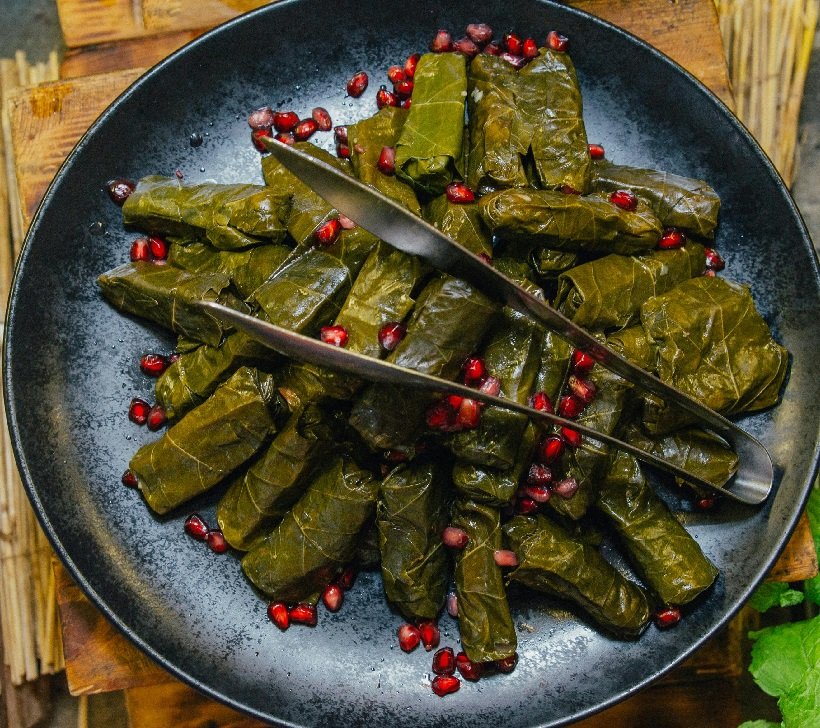
Turkish cuisine is not only rich in flavors and aromas but also deeply rooted in mythology and folklore. Many dishes and ingredients in Turkish cuisine have symbolic meanings and connections to ancient tales and traditions. Let's explore some of the fascinating mythology and folklore behind Turkish culinary traditions. One iconic ingredient in Turkish cuisine with a mythical origin is yogurt. Legend has it that yogurt was discovered by accident thousands of years ago when nomads carried milk in animal skins and the enzymes in the skin transformed the milk into a thick, tangy substance. The nomads soon realized the health benefits of yogurt and its ability to stay fresh without refrigeration, leading to its widespread consumption and incorporation into Turkish dishes such as cacik (yogurt and cucumber dip) and ayran (a refreshing yogurt-based drink). Another mythological ingredient in Turkish cuisine is the pomegranate. In Turkish folklore, the pomegranate symbolizes fertility, prosperity, and abundance. It is believed that Persephone, the goddess of spring in Greek mythology, was first tempted by a pomegranate in the underworld, leading to the changing of seasons. Pomegranate seeds are commonly used in Turkish salads, desserts, and sauces, adding a burst of sweetness and color to dishes. One of the most famous dishes in Turkish cuisine with a folklore connection is baklava. Legend has it that baklava was created in the Ottoman Empire and was believed to bring good luck and prosperity to those who consumed it. The intricate layers of buttery phyllo dough, nuts, and syrup are said to represent layers of wealth and abundance. Baklava is traditionally served during special occasions and holidays, symbolizing celebration and good fortune. Turkish coffee is not just a beverage but a cultural symbol with deep roots in tradition and folklore. In Turkish culture, coffee is more than just a drink – it is a social experience and a way to connect with others. The process of preparing and serving Turkish coffee involves rituals and customs that have been passed down through generations. The patterns formed by the coffee grounds in the cup are often interpreted as symbols or fortunes, adding an element of mystique to the coffee-drinking experience. In conclusion, Turkish cuisine is not only a feast for the senses but also a journey through mythology and folklore. Each dish and ingredient carries a story, a symbolism, and a connection to ancient traditions. By exploring the mythology and folklore behind Turkish culinary traditions, we gain a deeper appreciation for the cultural significance of food and the ways in which it connects us to our roots and heritage. For a different angle, consider what the following has to say. https://www.africalunch.com Find expert opinions in https://www.nerdcook.com Check the link below: https://www.bkitchens.com To find answers, navigate to https://www.indianspecialty.com For expert commentary, delve into https://www.bestindianfoods.com Explore this subject in detail with https://www.deleci.com Uncover valuable insights in https://www.adriaticfood.com If you're interested in this topic, I suggest reading https://www.alienvegan.com To understand this better, read https://www.topinduction.com For more information: https://www.swiss-cuisine.com
Leave a Comment:
SEARCH
Recent News
- Zurich, Switzerland is known for its multicultural atmosphere and diverse culinary scene. One of the lesser-known gems of Zurich's food scene is Sudanese cuisine. Sudanese cuisine is a reflection of the country's diverse cultural influences, blending Arabic, African, and Mediterranean flavors to create a unique and delicious culinary experience.
- Zurich, Switzerland: A Culinary Journey through Regional Cuisine
- Zurich, Switzerland is known for its stunning landscapes, rich history, and vibrant culture. However, another aspect of Zurich that shouldn't be overlooked is its diverse and delicious fast food scene. From traditional Swiss street food to international favorites, there is something to satisfy every craving in Zurich. Let's take a closer look at some of the popular fast food options you can find in this picturesque city.
- Zurich, Switzerland is known for its stunning natural beauty, vibrant arts scene, and strong economy. However, what many people may not know is that this dynamic city also offers a diverse culinary experience that includes delicacies from around the world. One such cuisine that has found a home in Zurich is Philippine cuisine.
- Zurich, Switzerland is known for its picturesque views, stunning architecture, and vibrant cultural scene. Located in the heart of Europe, Zurich offers a mix of traditional Swiss cuisine and international flavors. One particular cuisine that has been making waves in Zurich is Paraguayan cuisine.
- Zurich, Switzerland is a city known for its stunning views, picturesque streets, and vibrant culture. It is also a melting pot of diverse culinary influences, with a wide range of cuisines to choose from. One such cuisine that has made its mark in Zurich is Norwegian cuisine.
- Zurich, Switzerland, and Montreal, Canada, are two vibrant cities known for their distinct cultural characteristics. While Zurich is renowned for its picturesque landscapes, rich history, and high standard of living, Montreal is famous for its diverse population, vibrant arts scene, and mouth-watering cuisine. In this blog post, we will delve into the delectable culinary offerings of Montreal and explore how its unique food scene sets it apart from the culinary landscape of Zurich.
- Zurich, Switzerland is a vibrant city known for its stunning architecture, picturesque landscapes, and diverse culinary scene. While Swiss cuisine certainly holds a special place in the hearts of many locals and visitors, the city also boasts a variety of international dining options, including Latin American food.
READ MORE
11 months ago Category : Turkish Food Logistics Companies en

Zurich, Switzerland is known for its multicultural atmosphere and diverse culinary scene. One of the lesser-known gems of Zurich's food scene is Sudanese cuisine. Sudanese cuisine is a reflection of the country's diverse cultural influences, blending Arabic, African, and Mediterranean flavors to create a unique and delicious culinary experience.
Read More →11 months ago Category : Turkish Food Logistics Companies en

Zurich, Switzerland: A Culinary Journey through Regional Cuisine
Read More →11 months ago Category : Turkish Food Logistics Companies en

Zurich, Switzerland is known for its stunning landscapes, rich history, and vibrant culture. However, another aspect of Zurich that shouldn't be overlooked is its diverse and delicious fast food scene. From traditional Swiss street food to international favorites, there is something to satisfy every craving in Zurich. Let's take a closer look at some of the popular fast food options you can find in this picturesque city.
Read More →11 months ago Category : Turkish Food Logistics Companies en
