Unveiling Misconceptions About Turkish Cuisine
Category : Turkish Food Logistics Companies en | Sub Category : Posted on 2024-10-05 22:25:23
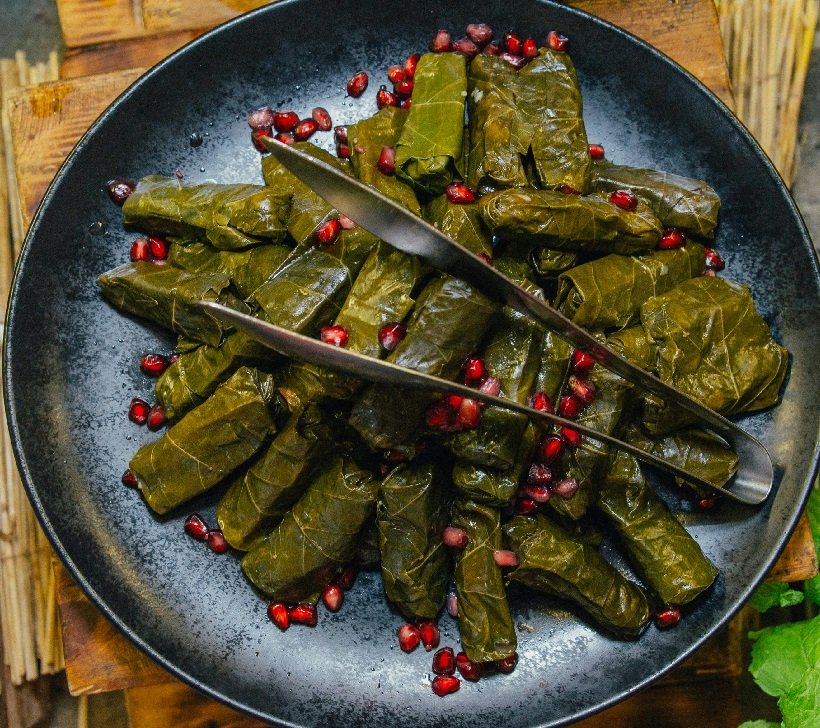
Turkish cuisine is known for its rich flavors, diverse ingredients, and cultural influences that have been shaped over centuries. However, like any culinary tradition, Turkish cuisine is often surrounded by misconceptions that can lead to misinformation. In this blog post, we aim to unveil some of the most common misconceptions about Turkish cuisine. Misconception 1: Turkish food is all about kebabs When most people think of Turkish cuisine, the first thing that comes to mind is usually kebabs. While kebabs are indeed a popular dish in Turkey, the country's culinary heritage goes far beyond just grilled meats. Turkish cuisine is a treasure trove of diverse dishes, including mezes (appetizers), stews, pilafs, and desserts like baklava and Turkish delight. By focusing solely on kebabs, one misses out on the vast array of flavors and ingredients that Turkish cuisine has to offer. Misconception 2: Turkish food is always spicy While some Turkish dishes do incorporate spices like red pepper flakes, cumin, and sumac, not all Turkish food is known for being spicy. In fact, Turkish cuisine strikes a balance between bold flavors and delicate seasonings. Fresh herbs, olive oil, yogurt, and a variety of fruits and vegetables play a key role in Turkish cooking, creating a harmonious blend of tastes and textures that cater to different palates. Misconception 3: Turkish food is unhealthy Another common misconception about Turkish cuisine is that it is inherently unhealthy due to its association with rich dishes like baklava and köfte. While it's true that Turkish cuisine features indulgent treats, it also emphasizes fresh, seasonal ingredients and a variety of cooking techniques that promote balance and moderation. Many traditional Turkish dishes are packed with nutrient-rich ingredients like legumes, leafy greens, and lean proteins, making it a wholesome and nutritious cuisine overall. Misconception 4: Turkish food is the same as Middle Eastern cuisine While there are some similarities between Turkish and Middle Eastern cuisines, they are distinct culinary traditions with their own unique characteristics. Turkish cuisine is influenced by a wide range of cultures, including Ottoman, Persian, Arabic, and Balkan flavors, which have collectively shaped its identity. From the use of spices to cooking methods and presentation, Turkish cuisine has its own nuances that set it apart from its Middle Eastern counterparts. In conclusion, Turkish cuisine is a vibrant and diverse culinary tradition that goes beyond kebabs and spicy flavors. By debunking these common misconceptions, we can appreciate the depth and complexity of Turkish cuisine and explore its rich tapestry of flavors, ingredients, and cultural influences. Let's celebrate the diversity and richness of Turkish cuisine with an open mind and an adventurous palate. Dropy by for a visit at the following website https://www.indianspecialty.com For an in-depth examination, refer to https://www.bestindianfoods.com Have a visit at https://www.deleci.com For a different perspective, see: https://www.adriaticfood.com Click the following link for more https://www.alienvegan.com Here is the following website to check: https://www.topinduction.com also for More in https://www.swiss-cuisine.com
Leave a Comment:
SEARCH
Recent News
- Zurich, Switzerland is known for its multicultural atmosphere and diverse culinary scene. One of the lesser-known gems of Zurich's food scene is Sudanese cuisine. Sudanese cuisine is a reflection of the country's diverse cultural influences, blending Arabic, African, and Mediterranean flavors to create a unique and delicious culinary experience.
- Zurich, Switzerland: A Culinary Journey through Regional Cuisine
- Zurich, Switzerland is known for its stunning landscapes, rich history, and vibrant culture. However, another aspect of Zurich that shouldn't be overlooked is its diverse and delicious fast food scene. From traditional Swiss street food to international favorites, there is something to satisfy every craving in Zurich. Let's take a closer look at some of the popular fast food options you can find in this picturesque city.
- Zurich, Switzerland is known for its stunning natural beauty, vibrant arts scene, and strong economy. However, what many people may not know is that this dynamic city also offers a diverse culinary experience that includes delicacies from around the world. One such cuisine that has found a home in Zurich is Philippine cuisine.
- Zurich, Switzerland is known for its picturesque views, stunning architecture, and vibrant cultural scene. Located in the heart of Europe, Zurich offers a mix of traditional Swiss cuisine and international flavors. One particular cuisine that has been making waves in Zurich is Paraguayan cuisine.
- Zurich, Switzerland is a city known for its stunning views, picturesque streets, and vibrant culture. It is also a melting pot of diverse culinary influences, with a wide range of cuisines to choose from. One such cuisine that has made its mark in Zurich is Norwegian cuisine.
- Zurich, Switzerland, and Montreal, Canada, are two vibrant cities known for their distinct cultural characteristics. While Zurich is renowned for its picturesque landscapes, rich history, and high standard of living, Montreal is famous for its diverse population, vibrant arts scene, and mouth-watering cuisine. In this blog post, we will delve into the delectable culinary offerings of Montreal and explore how its unique food scene sets it apart from the culinary landscape of Zurich.
- Zurich, Switzerland is a vibrant city known for its stunning architecture, picturesque landscapes, and diverse culinary scene. While Swiss cuisine certainly holds a special place in the hearts of many locals and visitors, the city also boasts a variety of international dining options, including Latin American food.
READ MORE
11 months ago Category : Turkish Food Logistics Companies en

Zurich, Switzerland is known for its multicultural atmosphere and diverse culinary scene. One of the lesser-known gems of Zurich's food scene is Sudanese cuisine. Sudanese cuisine is a reflection of the country's diverse cultural influences, blending Arabic, African, and Mediterranean flavors to create a unique and delicious culinary experience.
Read More →11 months ago Category : Turkish Food Logistics Companies en

Zurich, Switzerland: A Culinary Journey through Regional Cuisine
Read More →11 months ago Category : Turkish Food Logistics Companies en

Zurich, Switzerland is known for its stunning landscapes, rich history, and vibrant culture. However, another aspect of Zurich that shouldn't be overlooked is its diverse and delicious fast food scene. From traditional Swiss street food to international favorites, there is something to satisfy every craving in Zurich. Let's take a closer look at some of the popular fast food options you can find in this picturesque city.
Read More →11 months ago Category : Turkish Food Logistics Companies en
