Turkish Cuisine: Exploring Lost Cities
Category : Turkish Food Logistics Companies en | Sub Category : Posted on 2024-10-05 22:25:23
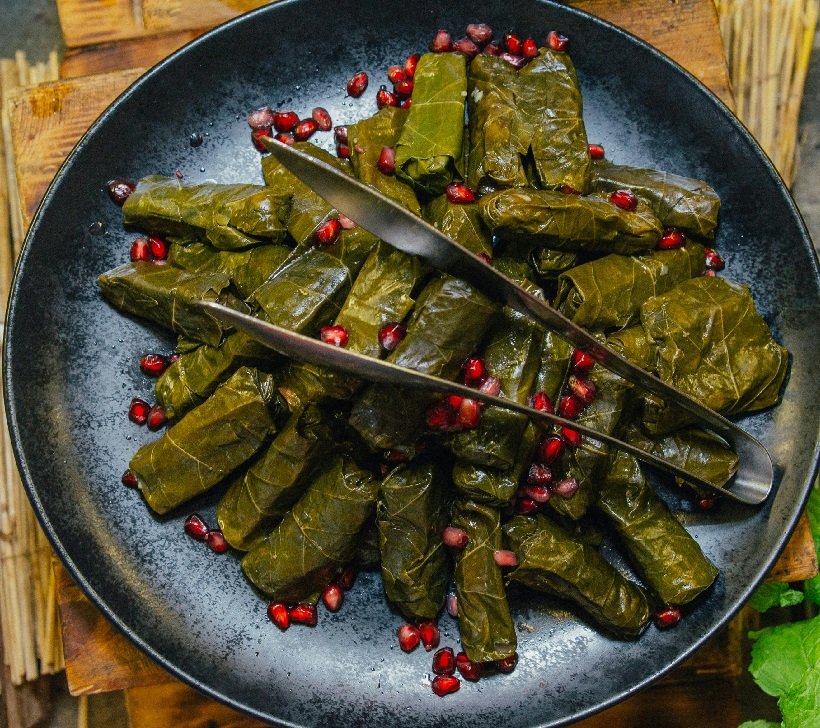
Turkish cuisine is renowned worldwide for its rich and diverse flavors, combining influences from the Mediterranean, Middle Eastern, Balkan, and Central Asian cuisines. What many people may not know is that the culinary history of Turkey is deeply intertwined with its ancient lost cities, providing a fascinating glimpse into the gastronomic traditions of the past. One such lost city is Hattusa, the capital of the Hittite Empire, located in present-day Boğazkale, Turkey. Hattusa was a major political and cultural center during the Bronze Age, and it played a crucial role in shaping the early culinary practices of the region. Excavations at Hattusa have revealed clay tablets detailing recipes and food offerings, giving us valuable insights into the culinary delights enjoyed by the Hittites. Another lost city that has left its mark on Turkish cuisine is Ani, a medieval Armenian city situated near the border with present-day Armenia. Ani was a vibrant hub of trade and cultural exchange, where diverse culinary traditions converged to create a unique culinary tapestry. The remnants of Ani's culinary legacy can still be seen in modern Turkish dishes that feature a blend of Armenian, Persian, and Anatolian flavors. The ancient city of Ephesus is yet another treasure trove of culinary history, showcasing the culinary practices of the Greeks, Romans, and Byzantines who once inhabited its streets. From olive oil and wine production to the cultivation of herbs and spices, Ephesus was a thriving center of gastronomic innovation, laying the foundation for many of the dishes that are popular in Turkish cuisine today. As we explore the lost cities of Turkey, we gain a deeper appreciation for the culinary heritage that has been passed down through generations. By honoring the traditions of the past and embracing the fusion of flavors that have shaped Turkish cuisine, we not only savor delicious meals but also keep the spirit of these lost cities alive. In conclusion, Turkish cuisine is more than just food – it is a reflection of the rich history and cultural diversity that have defined the region for centuries. By delving into the culinary legacy of lost cities like Hattusa, Ani, and Ephesus, we can uncover the hidden gems of Turkish gastronomy and celebrate the enduring legacy of these ancient civilizations. Whether you're enjoying a hearty kebab, indulging in a sweet baklava, or sipping on a fragrant cup of Turkish coffee, each bite and sip offers a taste of history and a glimpse into the lost cities that have shaped Turkish cuisine into the culinary delight it is today. Don't miss more information at https://www.bkitchens.com For the latest research, visit https://www.indianspecialty.com For an extensive perspective, read https://www.bestindianfoods.com Seeking expert advice? Find it in https://www.deleci.com To understand this better, read https://www.adriaticfood.com also for more info https://www.alienvegan.com To see the full details, click on: https://www.topinduction.com To get a better understanding, go through https://www.swiss-cuisine.com
Leave a Comment:
SEARCH
Recent News
- Zurich, Switzerland is known for its multicultural atmosphere and diverse culinary scene. One of the lesser-known gems of Zurich's food scene is Sudanese cuisine. Sudanese cuisine is a reflection of the country's diverse cultural influences, blending Arabic, African, and Mediterranean flavors to create a unique and delicious culinary experience.
- Zurich, Switzerland: A Culinary Journey through Regional Cuisine
- Zurich, Switzerland is known for its stunning landscapes, rich history, and vibrant culture. However, another aspect of Zurich that shouldn't be overlooked is its diverse and delicious fast food scene. From traditional Swiss street food to international favorites, there is something to satisfy every craving in Zurich. Let's take a closer look at some of the popular fast food options you can find in this picturesque city.
- Zurich, Switzerland is known for its stunning natural beauty, vibrant arts scene, and strong economy. However, what many people may not know is that this dynamic city also offers a diverse culinary experience that includes delicacies from around the world. One such cuisine that has found a home in Zurich is Philippine cuisine.
- Zurich, Switzerland is known for its picturesque views, stunning architecture, and vibrant cultural scene. Located in the heart of Europe, Zurich offers a mix of traditional Swiss cuisine and international flavors. One particular cuisine that has been making waves in Zurich is Paraguayan cuisine.
- Zurich, Switzerland is a city known for its stunning views, picturesque streets, and vibrant culture. It is also a melting pot of diverse culinary influences, with a wide range of cuisines to choose from. One such cuisine that has made its mark in Zurich is Norwegian cuisine.
- Zurich, Switzerland, and Montreal, Canada, are two vibrant cities known for their distinct cultural characteristics. While Zurich is renowned for its picturesque landscapes, rich history, and high standard of living, Montreal is famous for its diverse population, vibrant arts scene, and mouth-watering cuisine. In this blog post, we will delve into the delectable culinary offerings of Montreal and explore how its unique food scene sets it apart from the culinary landscape of Zurich.
- Zurich, Switzerland is a vibrant city known for its stunning architecture, picturesque landscapes, and diverse culinary scene. While Swiss cuisine certainly holds a special place in the hearts of many locals and visitors, the city also boasts a variety of international dining options, including Latin American food.
READ MORE
11 months ago Category : Turkish Food Logistics Companies en

Zurich, Switzerland is known for its multicultural atmosphere and diverse culinary scene. One of the lesser-known gems of Zurich's food scene is Sudanese cuisine. Sudanese cuisine is a reflection of the country's diverse cultural influences, blending Arabic, African, and Mediterranean flavors to create a unique and delicious culinary experience.
Read More →11 months ago Category : Turkish Food Logistics Companies en

Zurich, Switzerland: A Culinary Journey through Regional Cuisine
Read More →11 months ago Category : Turkish Food Logistics Companies en

Zurich, Switzerland is known for its stunning landscapes, rich history, and vibrant culture. However, another aspect of Zurich that shouldn't be overlooked is its diverse and delicious fast food scene. From traditional Swiss street food to international favorites, there is something to satisfy every craving in Zurich. Let's take a closer look at some of the popular fast food options you can find in this picturesque city.
Read More →11 months ago Category : Turkish Food Logistics Companies en
