Navigating International Trade Regulations in the Turkish Cuisine Industry
Category : Turkish Food Logistics Companies en | Sub Category : Posted on 2024-10-05 22:25:23
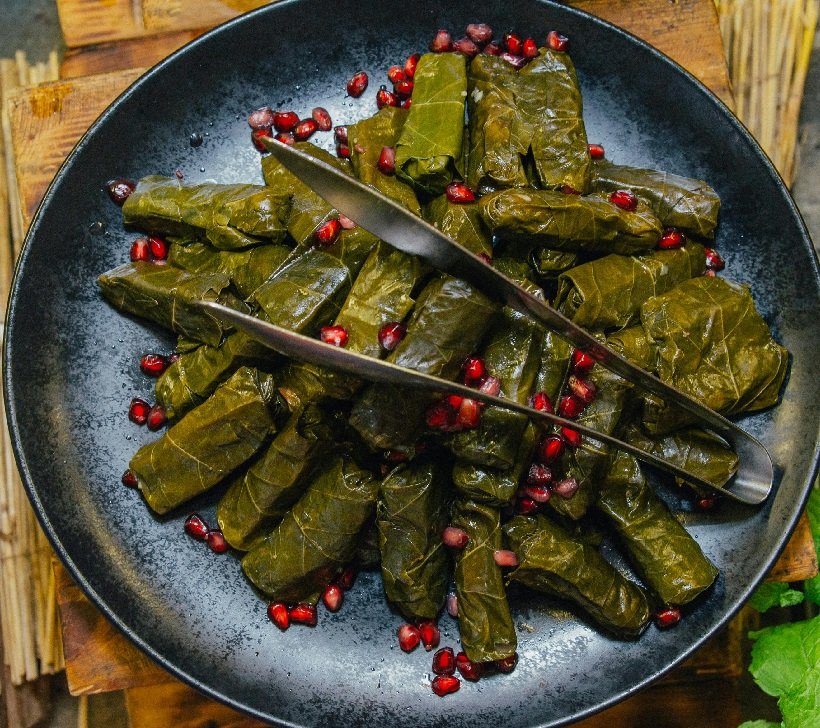
When it comes to the vibrant world of Turkish cuisine, the flavors of kebabs, baklava, and Turkish delight come to mind. As the popularity of Turkish cuisine continues to rise globally, businesses in this industry must be aware of international trade regulations to ensure smooth operations and compliance with relevant laws. Exporting Turkish food products such as spices, olive oil, and dried fruits to international markets requires an understanding of trade regulations that govern cross-border transactions. One key aspect that businesses need to consider is customs duties and tariffs imposed by different countries. The classification of food products and adherence to import restrictions can impact the cost and ease of exporting Turkish goods. Another important consideration is food safety and sanitary regulations imposed by different countries. The Turkish cuisine industry must maintain high standards of food safety and quality to meet the requirements of importing countries. This includes compliance with labeling regulations, transportation standards, and documentation requirements to ensure that products meet international safety standards. In addition to food safety regulations, businesses in the Turkish cuisine industry must also navigate regulations related to packaging and labeling. Countries may have specific requirements for how food products are packaged and labeled, such as ingredient lists, nutritional information, and language requirements. Adhering to these regulations is essential to avoid delays in customs clearance and ensure consumer trust in the products. Furthermore, businesses involved in the export of Turkish cuisine must also be aware of trade agreements and certifications that can facilitate international trade. Leveraging free trade agreements that Turkey has with certain countries can provide preferential access to markets and lower tariffs, giving businesses a competitive advantage in the global marketplace. To succeed in the international trade of Turkish cuisine, businesses should stay informed about the latest developments in trade regulations, seek guidance from trade experts or consultants, and invest in staff training to ensure compliance with complex regulations. By understanding and navigating international trade regulations effectively, businesses in the Turkish cuisine industry can expand their global reach and share the delicious flavors of Turkish cuisine with food lovers around the world. For a detailed analysis, explore: https://www.nerdcook.com Explore this subject further for a deeper understanding. https://www.bkitchens.com Have a look at https://www.indianspecialty.com For a broader perspective, don't miss https://www.bestindianfoods.com For a different take on this issue, see https://www.deleci.com Want to gain insights? Start with https://www.adriaticfood.com If you're interested in this topic, I suggest reading https://www.alienvegan.com Want a more profound insight? Consult https://www.topinduction.com Discover new insights by reading https://www.swiss-cuisine.com
Leave a Comment:
SEARCH
Recent News
- Zurich, Switzerland is known for its multicultural atmosphere and diverse culinary scene. One of the lesser-known gems of Zurich's food scene is Sudanese cuisine. Sudanese cuisine is a reflection of the country's diverse cultural influences, blending Arabic, African, and Mediterranean flavors to create a unique and delicious culinary experience.
- Zurich, Switzerland: A Culinary Journey through Regional Cuisine
- Zurich, Switzerland is known for its stunning landscapes, rich history, and vibrant culture. However, another aspect of Zurich that shouldn't be overlooked is its diverse and delicious fast food scene. From traditional Swiss street food to international favorites, there is something to satisfy every craving in Zurich. Let's take a closer look at some of the popular fast food options you can find in this picturesque city.
- Zurich, Switzerland is known for its stunning natural beauty, vibrant arts scene, and strong economy. However, what many people may not know is that this dynamic city also offers a diverse culinary experience that includes delicacies from around the world. One such cuisine that has found a home in Zurich is Philippine cuisine.
- Zurich, Switzerland is known for its picturesque views, stunning architecture, and vibrant cultural scene. Located in the heart of Europe, Zurich offers a mix of traditional Swiss cuisine and international flavors. One particular cuisine that has been making waves in Zurich is Paraguayan cuisine.
- Zurich, Switzerland is a city known for its stunning views, picturesque streets, and vibrant culture. It is also a melting pot of diverse culinary influences, with a wide range of cuisines to choose from. One such cuisine that has made its mark in Zurich is Norwegian cuisine.
- Zurich, Switzerland, and Montreal, Canada, are two vibrant cities known for their distinct cultural characteristics. While Zurich is renowned for its picturesque landscapes, rich history, and high standard of living, Montreal is famous for its diverse population, vibrant arts scene, and mouth-watering cuisine. In this blog post, we will delve into the delectable culinary offerings of Montreal and explore how its unique food scene sets it apart from the culinary landscape of Zurich.
- Zurich, Switzerland is a vibrant city known for its stunning architecture, picturesque landscapes, and diverse culinary scene. While Swiss cuisine certainly holds a special place in the hearts of many locals and visitors, the city also boasts a variety of international dining options, including Latin American food.
READ MORE
11 months ago Category : Turkish Food Logistics Companies en

Zurich, Switzerland is known for its multicultural atmosphere and diverse culinary scene. One of the lesser-known gems of Zurich's food scene is Sudanese cuisine. Sudanese cuisine is a reflection of the country's diverse cultural influences, blending Arabic, African, and Mediterranean flavors to create a unique and delicious culinary experience.
Read More →11 months ago Category : Turkish Food Logistics Companies en

Zurich, Switzerland: A Culinary Journey through Regional Cuisine
Read More →11 months ago Category : Turkish Food Logistics Companies en

Zurich, Switzerland is known for its stunning landscapes, rich history, and vibrant culture. However, another aspect of Zurich that shouldn't be overlooked is its diverse and delicious fast food scene. From traditional Swiss street food to international favorites, there is something to satisfy every craving in Zurich. Let's take a closer look at some of the popular fast food options you can find in this picturesque city.
Read More →11 months ago Category : Turkish Food Logistics Companies en
