Understanding Import and Export Tariffs in Turkish Cuisine
Category : Turkish Food Logistics Companies en | Sub Category : Posted on 2024-10-05 22:25:23
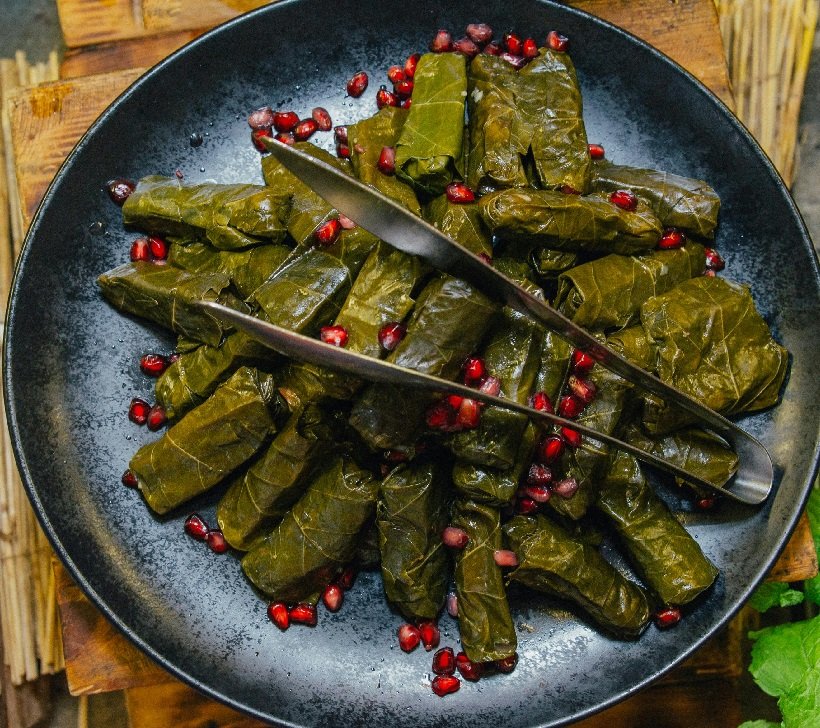
Turkish cuisine is renowned for its rich flavors and diverse ingredients that create a unique culinary experience. From savory kebabs to sweet baklava, Turkish dishes have gained popularity worldwide. However, the import and export tariffs on Turkish food products can significantly impact the accessibility and affordability of these delicacies in international markets. Import Tariffs in Turkish Cuisine: When it comes to importing Turkish food products, import tariffs play a crucial role in determining the cost and availability of these items in foreign countries. Import tariffs are taxes imposed by governments on imported goods, with the aim of protecting domestic industries and regulating international trade. In the context of Turkish cuisine, import tariffs can vary depending on the type of food product being imported. For example, fresh fruits and vegetables may have different tariff rates compared to processed foods like Turkish delight or olive oil. These tariffs can affect the final price of Turkish food products in foreign markets, making them more expensive for consumers. Export Tariffs in Turkish Cuisine: On the other hand, export tariffs are taxes imposed on goods leaving a country for foreign markets. In the case of Turkish cuisine, export tariffs can influence the competitiveness of Turkish food products in global trade. Higher export tariffs can make Turkish dishes less attractive to international buyers, potentially limiting the growth of Turkey's food export industry. However, export tariffs can also be used strategically to protect domestic food supplies and promote the growth of local industries. By imposing export tariffs on certain food products, Turkish authorities can ensure a stable supply of essential ingredients within the country and support the development of domestic food production. Impact on Turkish Food Industry: The dynamics of import and export tariffs in Turkish cuisine can have a significant impact on the country's food industry. High import tariffs may limit the export potential of Turkish food products, while high export tariffs can hinder the growth of the industry in international markets. Finding the right balance in tariff policies is essential to support the competitiveness and sustainability of the Turkish food sector. In conclusion, import and export tariffs play a crucial role in shaping the global market for Turkish cuisine. Understanding these tariffs and their implications is essential for businesses and consumers alike to navigate the complexities of international trade. By addressing trade barriers and promoting fair policies, Turkish food products can continue to reach a wider audience and showcase the rich flavors of Turkish cuisine to the world. Discover more about this topic through https://www.indianspecialty.com Discover new insights by reading https://www.bestindianfoods.com Dropy by for a visit at https://www.adriaticfood.com For an alternative viewpoint, explore https://www.alienvegan.com Have a look at the following website to get more information https://www.topinduction.com Uncover valuable insights in https://www.swiss-cuisine.com
Leave a Comment:
SEARCH
Recent News
- Zurich, Switzerland is known for its multicultural atmosphere and diverse culinary scene. One of the lesser-known gems of Zurich's food scene is Sudanese cuisine. Sudanese cuisine is a reflection of the country's diverse cultural influences, blending Arabic, African, and Mediterranean flavors to create a unique and delicious culinary experience.
- Zurich, Switzerland: A Culinary Journey through Regional Cuisine
- Zurich, Switzerland is known for its stunning landscapes, rich history, and vibrant culture. However, another aspect of Zurich that shouldn't be overlooked is its diverse and delicious fast food scene. From traditional Swiss street food to international favorites, there is something to satisfy every craving in Zurich. Let's take a closer look at some of the popular fast food options you can find in this picturesque city.
- Zurich, Switzerland is known for its stunning natural beauty, vibrant arts scene, and strong economy. However, what many people may not know is that this dynamic city also offers a diverse culinary experience that includes delicacies from around the world. One such cuisine that has found a home in Zurich is Philippine cuisine.
- Zurich, Switzerland is known for its picturesque views, stunning architecture, and vibrant cultural scene. Located in the heart of Europe, Zurich offers a mix of traditional Swiss cuisine and international flavors. One particular cuisine that has been making waves in Zurich is Paraguayan cuisine.
- Zurich, Switzerland is a city known for its stunning views, picturesque streets, and vibrant culture. It is also a melting pot of diverse culinary influences, with a wide range of cuisines to choose from. One such cuisine that has made its mark in Zurich is Norwegian cuisine.
- Zurich, Switzerland, and Montreal, Canada, are two vibrant cities known for their distinct cultural characteristics. While Zurich is renowned for its picturesque landscapes, rich history, and high standard of living, Montreal is famous for its diverse population, vibrant arts scene, and mouth-watering cuisine. In this blog post, we will delve into the delectable culinary offerings of Montreal and explore how its unique food scene sets it apart from the culinary landscape of Zurich.
- Zurich, Switzerland is a vibrant city known for its stunning architecture, picturesque landscapes, and diverse culinary scene. While Swiss cuisine certainly holds a special place in the hearts of many locals and visitors, the city also boasts a variety of international dining options, including Latin American food.
READ MORE
11 months ago Category : Turkish Food Logistics Companies en

Zurich, Switzerland is known for its multicultural atmosphere and diverse culinary scene. One of the lesser-known gems of Zurich's food scene is Sudanese cuisine. Sudanese cuisine is a reflection of the country's diverse cultural influences, blending Arabic, African, and Mediterranean flavors to create a unique and delicious culinary experience.
Read More →11 months ago Category : Turkish Food Logistics Companies en

Zurich, Switzerland: A Culinary Journey through Regional Cuisine
Read More →11 months ago Category : Turkish Food Logistics Companies en

Zurich, Switzerland is known for its stunning landscapes, rich history, and vibrant culture. However, another aspect of Zurich that shouldn't be overlooked is its diverse and delicious fast food scene. From traditional Swiss street food to international favorites, there is something to satisfy every craving in Zurich. Let's take a closer look at some of the popular fast food options you can find in this picturesque city.
Read More →11 months ago Category : Turkish Food Logistics Companies en
