Turkish Cuisine Education: Alternative Approaches and Controversies
Category : Turkish Food Logistics Companies en | Sub Category : Posted on 2024-10-05 22:25:23
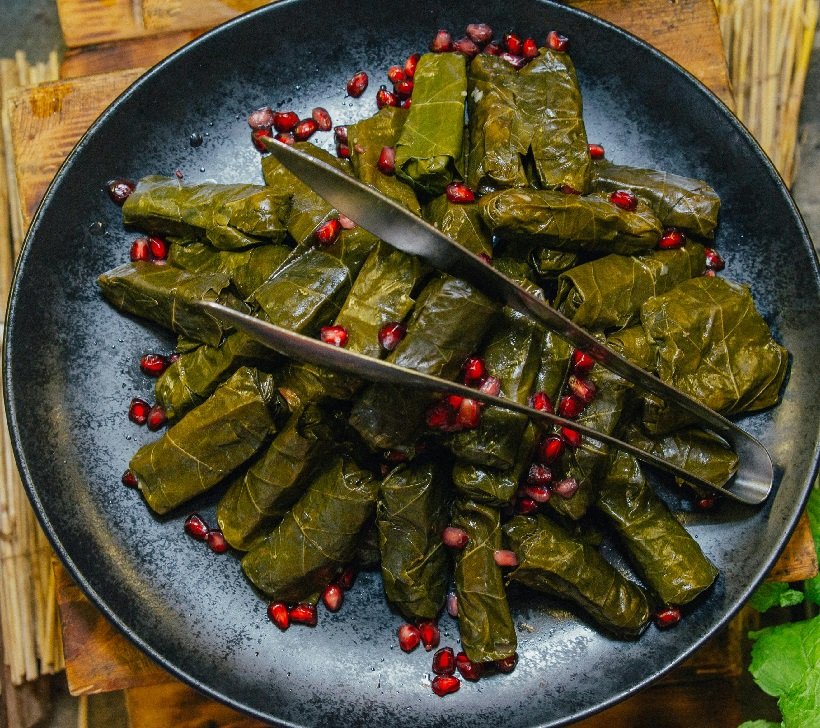
Turkish cuisine is renowned for its rich flavors, diverse ingredients, and long-standing culinary traditions. From succulent kebabs to decadent baklava, Turkish dishes have captivated food lovers around the world. In recent years, there has been a growing interest in promoting Turkish cuisine education through alternative approaches, but this has not been without its controversies. One of the main alternative approaches to Turkish cuisine education is through hands-on cooking classes and workshops. These interactive sessions allow participants to learn from experienced chefs, gain practical skills in the kitchen, and immerse themselves in the culinary heritage of Turkey. By engaging all the senses, these classes provide a more holistic and memorable learning experience compared to traditional textbook-based education. Another alternative approach to Turkish cuisine education is through food tours and culinary travel experiences. These immersive journeys take participants on a gastronomic adventure through the streets, markets, and kitchens of Turkey. By tasting regional specialties, meeting local producers, and exploring food culture firsthand, participants gain a deeper appreciation for the history, geography, and diversity of Turkish cuisine. However, as interest in alternative approaches to Turkish cuisine education grows, controversies have emerged regarding cultural appropriation, authenticity, and representation. Some critics argue that commercializing traditional dishes, simplifying complex recipes, or oversimplifying the cultural significance of certain ingredients can distort the true essence of Turkish cuisine. Others raise concerns about the lack of diversity and inclusivity in culinary education, as marginalized voices and lesser-known recipes are often overlooked in mainstream discourse. In response to these controversies, advocates for Turkish cuisine education emphasize the importance of respecting culinary traditions, supporting local communities, and promoting cultural exchange in a responsible and ethical manner. By engaging in meaningful dialogue, collaborating with diverse stakeholders, and prioritizing authenticity and integrity, it is possible to navigate the complexities of alternative approaches to Turkish cuisine education while upholding the values of culinary heritage and cultural appreciation. In conclusion, Turkish cuisine education is evolving to embrace alternative approaches that offer immersive, experiential, and hands-on learning opportunities. While these approaches have the potential to enrich our understanding of Turkish culinary traditions, they also raise important questions about authenticity, representation, and ethics. By engaging with these controversies thoughtfully and respectfully, we can continue to celebrate the diversity and richness of Turkish cuisine while promoting cultural exchange and culinary education for all. also for more info https://www.nerdcook.com Visit the following website https://www.bkitchens.com Curious to learn more? Click on https://www.indianspecialty.com For a closer look, don't forget to read https://www.bestindianfoods.com For a different perspective, see: https://www.deleci.com Want to gain insights? Start with https://www.adriaticfood.com Want a more profound insight? Consult https://www.alienvegan.com To get a different viewpoint, consider: https://www.topinduction.com Take a deep dive into this topic by checking: https://www.swiss-cuisine.com
Leave a Comment:
SEARCH
Recent News
- Zurich, Switzerland is known for its multicultural atmosphere and diverse culinary scene. One of the lesser-known gems of Zurich's food scene is Sudanese cuisine. Sudanese cuisine is a reflection of the country's diverse cultural influences, blending Arabic, African, and Mediterranean flavors to create a unique and delicious culinary experience.
- Zurich, Switzerland: A Culinary Journey through Regional Cuisine
- Zurich, Switzerland is known for its stunning landscapes, rich history, and vibrant culture. However, another aspect of Zurich that shouldn't be overlooked is its diverse and delicious fast food scene. From traditional Swiss street food to international favorites, there is something to satisfy every craving in Zurich. Let's take a closer look at some of the popular fast food options you can find in this picturesque city.
- Zurich, Switzerland is known for its stunning natural beauty, vibrant arts scene, and strong economy. However, what many people may not know is that this dynamic city also offers a diverse culinary experience that includes delicacies from around the world. One such cuisine that has found a home in Zurich is Philippine cuisine.
- Zurich, Switzerland is known for its picturesque views, stunning architecture, and vibrant cultural scene. Located in the heart of Europe, Zurich offers a mix of traditional Swiss cuisine and international flavors. One particular cuisine that has been making waves in Zurich is Paraguayan cuisine.
- Zurich, Switzerland is a city known for its stunning views, picturesque streets, and vibrant culture. It is also a melting pot of diverse culinary influences, with a wide range of cuisines to choose from. One such cuisine that has made its mark in Zurich is Norwegian cuisine.
- Zurich, Switzerland, and Montreal, Canada, are two vibrant cities known for their distinct cultural characteristics. While Zurich is renowned for its picturesque landscapes, rich history, and high standard of living, Montreal is famous for its diverse population, vibrant arts scene, and mouth-watering cuisine. In this blog post, we will delve into the delectable culinary offerings of Montreal and explore how its unique food scene sets it apart from the culinary landscape of Zurich.
- Zurich, Switzerland is a vibrant city known for its stunning architecture, picturesque landscapes, and diverse culinary scene. While Swiss cuisine certainly holds a special place in the hearts of many locals and visitors, the city also boasts a variety of international dining options, including Latin American food.
READ MORE
11 months ago Category : Turkish Food Logistics Companies en

Zurich, Switzerland is known for its multicultural atmosphere and diverse culinary scene. One of the lesser-known gems of Zurich's food scene is Sudanese cuisine. Sudanese cuisine is a reflection of the country's diverse cultural influences, blending Arabic, African, and Mediterranean flavors to create a unique and delicious culinary experience.
Read More →11 months ago Category : Turkish Food Logistics Companies en

Zurich, Switzerland: A Culinary Journey through Regional Cuisine
Read More →11 months ago Category : Turkish Food Logistics Companies en

Zurich, Switzerland is known for its stunning landscapes, rich history, and vibrant culture. However, another aspect of Zurich that shouldn't be overlooked is its diverse and delicious fast food scene. From traditional Swiss street food to international favorites, there is something to satisfy every craving in Zurich. Let's take a closer look at some of the popular fast food options you can find in this picturesque city.
Read More →11 months ago Category : Turkish Food Logistics Companies en
