Savoring Authentic Turkish Cuisine: A Look into the Supply Chain of Turkish Restaurants
Category : Turkish Food Logistics Companies en | Sub Category : Posted on 2024-10-05 22:25:23
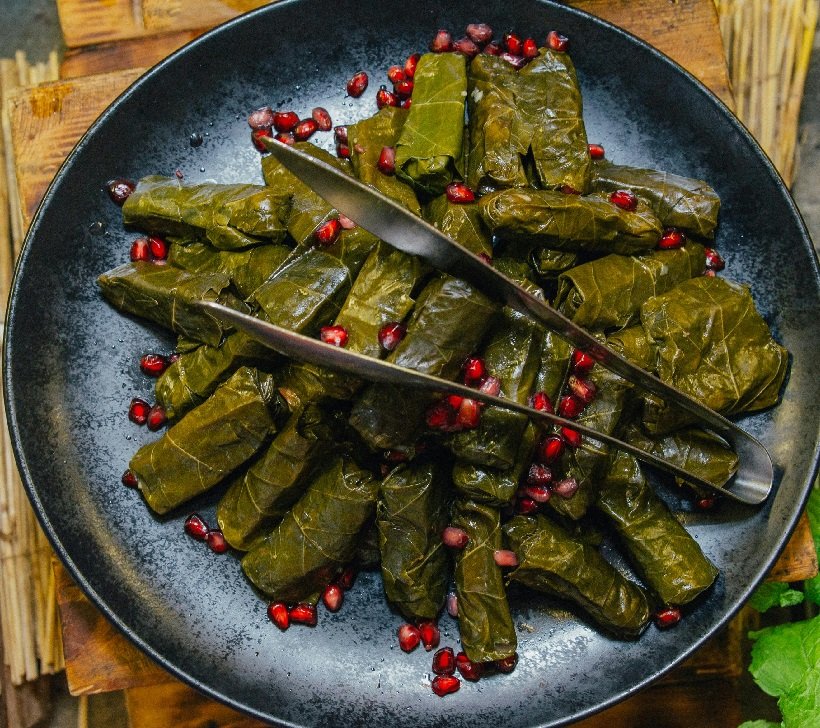
When it comes to culinary delights that are rich in flavor and history, Turkish cuisine undeniably stands out. From succulent kebabs and hearty stews to delectable pastries and refreshing salads, Turkish restaurants offer a diverse and vibrant dining experience that captivates the senses. Behind the scenes, a well-structured supply chain plays a crucial role in ensuring that these dishes are served to perfection. Supply Chain Overview The supply chain of Turkish restaurants involves a series of interconnected steps that start from sourcing fresh ingredients to serving the final dish to the customer. Let's delve deeper into the key components of this intricate process: 1. Ingredient Sourcing: Turkish cuisine emphasizes the use of fresh and high-quality ingredients to create its distinctive flavors. Turkish restaurants typically source ingredients such as lamb, beef, poultry, vegetables, fruits, spices, and dairy products from local suppliers or specialty markets to maintain authenticity in their dishes. 2. Food Preparation: Once the ingredients are sourced, skilled chefs in Turkish restaurants work their magic to prepare a wide array of traditional dishes. From marinating meats for kebabs to simmering rich sauces for stews, meticulous attention to detail is a hallmark of Turkish culinary tradition. 3. Menu Planning: The menu of a Turkish restaurant is carefully curated to offer a balanced selection of appetizers, mains, sides, and desserts that showcase the diversity of Turkish cuisine. Seasonal variations and customer preferences are taken into account when planning the menu to ensure a delightful dining experience. 4. Inventory Management: Efficient inventory management is essential to prevent wastage and maintain consistency in food quality. Turkish restaurants track the movement of ingredients, monitor expiration dates, and adjust purchasing patterns based on demand fluctuations to optimize their supply chain operations. 5. Logistics and Distribution: Once the dishes are prepared, logistics play a critical role in ensuring timely delivery to customers. Whether through dine-in, takeout, or delivery services, Turkish restaurants rely on efficient distribution channels to reach their patrons and provide a seamless dining experience. Challenges and Opportunities While the supply chain of Turkish restaurants is designed to deliver exceptional dining experiences, several challenges can impact its efficiency. Factors such as seasonality of ingredients, price fluctuations, transportation delays, and food safety regulations can influence the smooth functioning of the supply chain. However, these challenges also present opportunities for innovation and improvement. Embracing technology solutions for inventory management, enhancing sustainability practices in sourcing ingredients, and fostering partnerships with local producers are strategies that Turkish restaurants can adopt to strengthen their supply chain operations. In conclusion, the supply chain of Turkish restaurants plays a vital role in preserving the authenticity and quality of Turkish cuisine. By maintaining a delicate balance between tradition and innovation, Turkish restaurants can continue to delight diners with flavorful dishes that showcase the rich culinary heritage of Turkey. Whether you're a culinary enthusiast or simply eager to savor the delights of Turkish cuisine, exploring the intricate supply chain of Turkish restaurants offers a fascinating glimpse into the dedication and craftsmanship behind each delectable dish.
Leave a Comment:
SEARCH
Recent News
- Zurich, Switzerland is known for its multicultural atmosphere and diverse culinary scene. One of the lesser-known gems of Zurich's food scene is Sudanese cuisine. Sudanese cuisine is a reflection of the country's diverse cultural influences, blending Arabic, African, and Mediterranean flavors to create a unique and delicious culinary experience.
- Zurich, Switzerland: A Culinary Journey through Regional Cuisine
- Zurich, Switzerland is known for its stunning landscapes, rich history, and vibrant culture. However, another aspect of Zurich that shouldn't be overlooked is its diverse and delicious fast food scene. From traditional Swiss street food to international favorites, there is something to satisfy every craving in Zurich. Let's take a closer look at some of the popular fast food options you can find in this picturesque city.
- Zurich, Switzerland is known for its stunning natural beauty, vibrant arts scene, and strong economy. However, what many people may not know is that this dynamic city also offers a diverse culinary experience that includes delicacies from around the world. One such cuisine that has found a home in Zurich is Philippine cuisine.
- Zurich, Switzerland is known for its picturesque views, stunning architecture, and vibrant cultural scene. Located in the heart of Europe, Zurich offers a mix of traditional Swiss cuisine and international flavors. One particular cuisine that has been making waves in Zurich is Paraguayan cuisine.
- Zurich, Switzerland is a city known for its stunning views, picturesque streets, and vibrant culture. It is also a melting pot of diverse culinary influences, with a wide range of cuisines to choose from. One such cuisine that has made its mark in Zurich is Norwegian cuisine.
- Zurich, Switzerland, and Montreal, Canada, are two vibrant cities known for their distinct cultural characteristics. While Zurich is renowned for its picturesque landscapes, rich history, and high standard of living, Montreal is famous for its diverse population, vibrant arts scene, and mouth-watering cuisine. In this blog post, we will delve into the delectable culinary offerings of Montreal and explore how its unique food scene sets it apart from the culinary landscape of Zurich.
- Zurich, Switzerland is a vibrant city known for its stunning architecture, picturesque landscapes, and diverse culinary scene. While Swiss cuisine certainly holds a special place in the hearts of many locals and visitors, the city also boasts a variety of international dining options, including Latin American food.
READ MORE
11 months ago Category : Turkish Food Logistics Companies en

Zurich, Switzerland is known for its multicultural atmosphere and diverse culinary scene. One of the lesser-known gems of Zurich's food scene is Sudanese cuisine. Sudanese cuisine is a reflection of the country's diverse cultural influences, blending Arabic, African, and Mediterranean flavors to create a unique and delicious culinary experience.
Read More →11 months ago Category : Turkish Food Logistics Companies en

Zurich, Switzerland: A Culinary Journey through Regional Cuisine
Read More →11 months ago Category : Turkish Food Logistics Companies en

Zurich, Switzerland is known for its stunning landscapes, rich history, and vibrant culture. However, another aspect of Zurich that shouldn't be overlooked is its diverse and delicious fast food scene. From traditional Swiss street food to international favorites, there is something to satisfy every craving in Zurich. Let's take a closer look at some of the popular fast food options you can find in this picturesque city.
Read More →11 months ago Category : Turkish Food Logistics Companies en
