The Impact of Hyperinflation on Turkish Restaurants
Category : Turkish Food Logistics Companies en | Sub Category : Posted on 2024-10-05 22:25:23
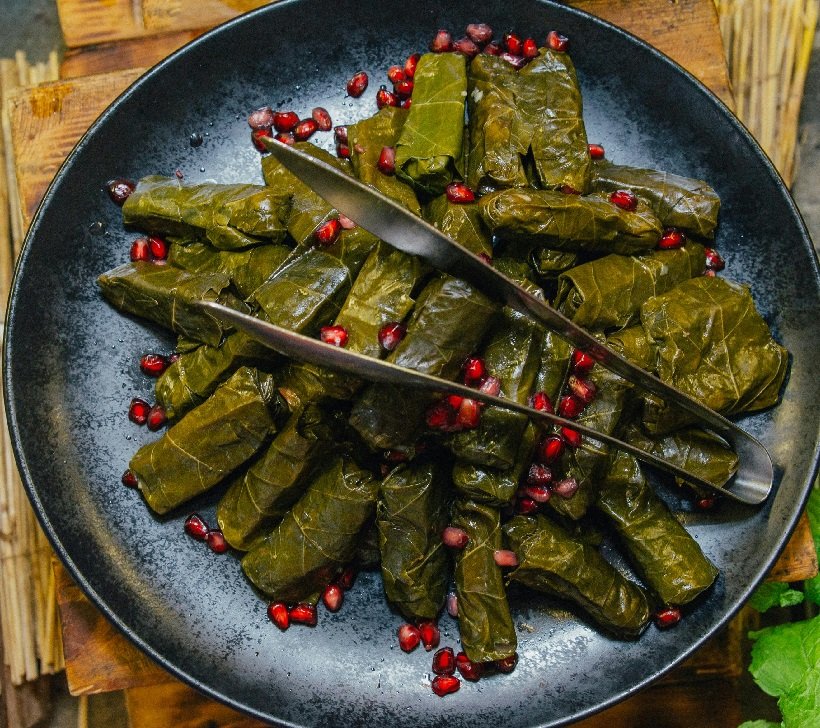
In recent years, Turkey has been facing economic challenges, including high inflation rates that have impacted various sectors of the economy. One such sector that has felt the effects of hyperinflation is the restaurant industry, particularly Turkish restaurants. In this article, we will explore how hyperinflation has affected Turkish restaurants in Turkey and abroad. Hyperinflation is a situation where prices increase rapidly as the currency loses its value. This phenomenon can have a significant impact on businesses, including restaurants. Turkish restaurants, known for their delicious kebabs, mezes, and baklavas, have been struggling to cope with the rising costs of ingredients, rent, and utilities. One of the major challenges faced by Turkish restaurants in hyperinflationary environments is maintaining affordable prices for their customers while covering their own expenses. With the cost of raw materials, such as meat, vegetables, and spices, constantly increasing, restaurant owners are forced to either raise menu prices, compromise on the quality of ingredients, or absorb the costs themselves. Additionally, hyperinflation can also affect the purchasing power of consumers. As the value of the Turkish lira decreases, people have less disposable income to spend on dining out. This can lead to a decrease in foot traffic at Turkish restaurants, affecting their bottom line and overall profitability. For Turkish restaurants operating outside of Turkey, hyperinflation in the country can also have indirect effects. Imported ingredients, such as spices, olive oil, and specialty cheeses, may become more expensive, impacting the cost of goods sold for these restaurants. Furthermore, if the local Turkish community is financially strained due to hyperinflation in their home country, they may cut back on dining out, affecting the business of Turkish restaurants abroad. In response to these challenges, Turkish restaurant owners have had to get creative in finding ways to navigate the hyperinflationary environment. Some have implemented cost-cutting measures, such as reducing portion sizes, sourcing cheaper ingredients, or renegotiating rent agreements. Others have diversified their menu offerings to appeal to a wider range of customers or have leveraged technology to streamline operations and improve efficiency. Despite the challenges posed by hyperinflation, Turkish restaurants continue to be a beloved culinary destination for many food lovers around the world. By adapting to the changing economic landscape and finding innovative solutions to mitigate the impact of hyperinflation, these restaurants can continue to thrive and delight customers with their delicious Turkish cuisine. In conclusion, hyperinflation has presented significant challenges for Turkish restaurants, both in Turkey and abroad. By adjusting their strategies, exploring new opportunities, and staying resilient in the face of economic instability, Turkish restaurant owners can weather the storm and continue to share the flavors of Turkey with diners everywhere.
Leave a Comment:
SEARCH
Recent News
- Zurich, Switzerland is known for its multicultural atmosphere and diverse culinary scene. One of the lesser-known gems of Zurich's food scene is Sudanese cuisine. Sudanese cuisine is a reflection of the country's diverse cultural influences, blending Arabic, African, and Mediterranean flavors to create a unique and delicious culinary experience.
- Zurich, Switzerland: A Culinary Journey through Regional Cuisine
- Zurich, Switzerland is known for its stunning landscapes, rich history, and vibrant culture. However, another aspect of Zurich that shouldn't be overlooked is its diverse and delicious fast food scene. From traditional Swiss street food to international favorites, there is something to satisfy every craving in Zurich. Let's take a closer look at some of the popular fast food options you can find in this picturesque city.
- Zurich, Switzerland is known for its stunning natural beauty, vibrant arts scene, and strong economy. However, what many people may not know is that this dynamic city also offers a diverse culinary experience that includes delicacies from around the world. One such cuisine that has found a home in Zurich is Philippine cuisine.
- Zurich, Switzerland is known for its picturesque views, stunning architecture, and vibrant cultural scene. Located in the heart of Europe, Zurich offers a mix of traditional Swiss cuisine and international flavors. One particular cuisine that has been making waves in Zurich is Paraguayan cuisine.
- Zurich, Switzerland is a city known for its stunning views, picturesque streets, and vibrant culture. It is also a melting pot of diverse culinary influences, with a wide range of cuisines to choose from. One such cuisine that has made its mark in Zurich is Norwegian cuisine.
- Zurich, Switzerland, and Montreal, Canada, are two vibrant cities known for their distinct cultural characteristics. While Zurich is renowned for its picturesque landscapes, rich history, and high standard of living, Montreal is famous for its diverse population, vibrant arts scene, and mouth-watering cuisine. In this blog post, we will delve into the delectable culinary offerings of Montreal and explore how its unique food scene sets it apart from the culinary landscape of Zurich.
- Zurich, Switzerland is a vibrant city known for its stunning architecture, picturesque landscapes, and diverse culinary scene. While Swiss cuisine certainly holds a special place in the hearts of many locals and visitors, the city also boasts a variety of international dining options, including Latin American food.
READ MORE
4 months ago Category : Turkish Food Logistics Companies en

Zurich, Switzerland is known for its multicultural atmosphere and diverse culinary scene. One of the lesser-known gems of Zurich's food scene is Sudanese cuisine. Sudanese cuisine is a reflection of the country's diverse cultural influences, blending Arabic, African, and Mediterranean flavors to create a unique and delicious culinary experience.
Read More →4 months ago Category : Turkish Food Logistics Companies en

Zurich, Switzerland: A Culinary Journey through Regional Cuisine
Read More →4 months ago Category : Turkish Food Logistics Companies en

Zurich, Switzerland is known for its stunning landscapes, rich history, and vibrant culture. However, another aspect of Zurich that shouldn't be overlooked is its diverse and delicious fast food scene. From traditional Swiss street food to international favorites, there is something to satisfy every craving in Zurich. Let's take a closer look at some of the popular fast food options you can find in this picturesque city.
Read More →4 months ago Category : Turkish Food Logistics Companies en
