Promoting Cultural Diversity: Securing Turkish Halal Food Certification in the Hispanic Community
Category : Turkish Food Logistics Companies en | Sub Category : Posted on 2024-10-05 22:25:23
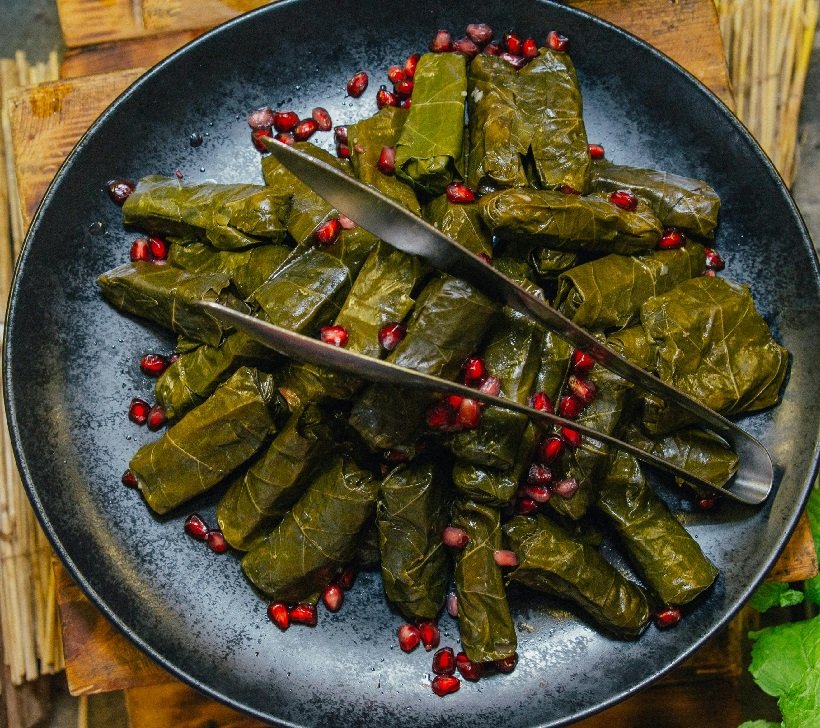
In recent years, the Hispanic community has experienced a growing interest in exploring new culinary experiences and embracing diverse food cultures. One notable culinary trend that has gained popularity within the Hispanic community is the consumption of Halal food. Halal, an Arabic term that means permissible, refers to food that adheres to Islamic dietary laws. While traditionally associated with Middle Eastern cuisine, Halal food has made its way into various cultural spheres, including the Hispanic community. In this cultural exchange, Turkish Halal food plays a significant role as it offers a unique blend of flavors and heritage that appeals to the Hispanic palate. However, to ensure authenticity and compliance with Halal standards, it is essential for Turkish food establishments to obtain Halal certification. This certification serves as a guarantee to consumers that the food they are consuming meets the strict requirements outlined in Islamic dietary laws. Securing Turkish Halal food certification in the Hispanic community can open up new avenues for Turkish restaurants and food vendors to cater to a wider audience. By obtaining Halal certification, these establishments not only gain the trust of Muslim consumers within the Hispanic community but also attract non-Muslims who are seeking high-quality, ethically sourced food options. Moreover, the collaboration between the Turkish and Hispanic communities in promoting Halal food highlights the beauty of cultural exchange and mutual respect. This partnership fosters understanding and appreciation for each other's traditions and culinary heritage, creating a harmonious environment where diversity is celebrated. As the demand for Halal food continues to rise globally, including within the Hispanic community, obtaining Turkish Halal food certification becomes a strategic move for Turkish food businesses looking to expand their reach and impact. By aligning with Halal standards and practices, these establishments position themselves as authentic and trustworthy providers of Halal cuisine, reflecting their commitment to quality and cultural authenticity. In conclusion, the integration of Turkish Halal food certification within the Hispanic community exemplifies the power of cultural diversity and culinary exchange in creating vibrant and inclusive food landscapes. By embracing and promoting Halal food, both communities contribute to a rich tapestry of flavors, traditions, and experiences that enrich the culinary world and strengthen bonds between diverse cultural groups. To learn more, take a look at: https://www.bestindianfoods.com For comprehensive coverage, check out https://www.deleci.com For an in-depth analysis, I recommend reading https://www.adriaticfood.com Seeking expert advice? Find it in https://www.alienvegan.com For an in-depth analysis, I recommend reading https://www.childnut.com Check the link: https://www.cfruits.com Check the link: https://www.topinduction.com Want to learn more? Start with: https://www.foxysweet.com Have a look at https://www.eatnaturals.com also for more https://www.biofitnesslab.com For the latest research, visit https://www.swiss-cuisine.com Seeking answers? You might find them in https://www.mimidate.com Dive into the details to understand this topic thoroughly. https://www.huevo.org Get a comprehensive view with https://www.digestible.org visit: https://www.vacas.net If you're interested in this topic, I suggest reading https://www.agriculturist.org For a broader perspective, don't miss https://www.cheffy.org To understand this better, read https://www.loseweighton.com More in https://www.stomachs.org Dive into the details to understand this topic thoroughly. https://www.salting.org
Leave a Comment:
SEARCH
Recent News
- Zurich, Switzerland is known for its multicultural atmosphere and diverse culinary scene. One of the lesser-known gems of Zurich's food scene is Sudanese cuisine. Sudanese cuisine is a reflection of the country's diverse cultural influences, blending Arabic, African, and Mediterranean flavors to create a unique and delicious culinary experience.
- Zurich, Switzerland: A Culinary Journey through Regional Cuisine
- Zurich, Switzerland is known for its stunning landscapes, rich history, and vibrant culture. However, another aspect of Zurich that shouldn't be overlooked is its diverse and delicious fast food scene. From traditional Swiss street food to international favorites, there is something to satisfy every craving in Zurich. Let's take a closer look at some of the popular fast food options you can find in this picturesque city.
- Zurich, Switzerland is known for its stunning natural beauty, vibrant arts scene, and strong economy. However, what many people may not know is that this dynamic city also offers a diverse culinary experience that includes delicacies from around the world. One such cuisine that has found a home in Zurich is Philippine cuisine.
- Zurich, Switzerland is known for its picturesque views, stunning architecture, and vibrant cultural scene. Located in the heart of Europe, Zurich offers a mix of traditional Swiss cuisine and international flavors. One particular cuisine that has been making waves in Zurich is Paraguayan cuisine.
- Zurich, Switzerland is a city known for its stunning views, picturesque streets, and vibrant culture. It is also a melting pot of diverse culinary influences, with a wide range of cuisines to choose from. One such cuisine that has made its mark in Zurich is Norwegian cuisine.
- Zurich, Switzerland, and Montreal, Canada, are two vibrant cities known for their distinct cultural characteristics. While Zurich is renowned for its picturesque landscapes, rich history, and high standard of living, Montreal is famous for its diverse population, vibrant arts scene, and mouth-watering cuisine. In this blog post, we will delve into the delectable culinary offerings of Montreal and explore how its unique food scene sets it apart from the culinary landscape of Zurich.
- Zurich, Switzerland is a vibrant city known for its stunning architecture, picturesque landscapes, and diverse culinary scene. While Swiss cuisine certainly holds a special place in the hearts of many locals and visitors, the city also boasts a variety of international dining options, including Latin American food.
READ MORE
10 months ago Category : Turkish Food Logistics Companies en

Zurich, Switzerland is known for its multicultural atmosphere and diverse culinary scene. One of the lesser-known gems of Zurich's food scene is Sudanese cuisine. Sudanese cuisine is a reflection of the country's diverse cultural influences, blending Arabic, African, and Mediterranean flavors to create a unique and delicious culinary experience.
Read More →10 months ago Category : Turkish Food Logistics Companies en

Zurich, Switzerland: A Culinary Journey through Regional Cuisine
Read More →10 months ago Category : Turkish Food Logistics Companies en

Zurich, Switzerland is known for its stunning landscapes, rich history, and vibrant culture. However, another aspect of Zurich that shouldn't be overlooked is its diverse and delicious fast food scene. From traditional Swiss street food to international favorites, there is something to satisfy every craving in Zurich. Let's take a closer look at some of the popular fast food options you can find in this picturesque city.
Read More →10 months ago Category : Turkish Food Logistics Companies en
