"Exploring the Financial Recovery Strategies of Turkish Restaurants Amidst Challenges"
Category : Turkish Food Logistics Companies en | Sub Category : Posted on 2024-10-05 22:25:23
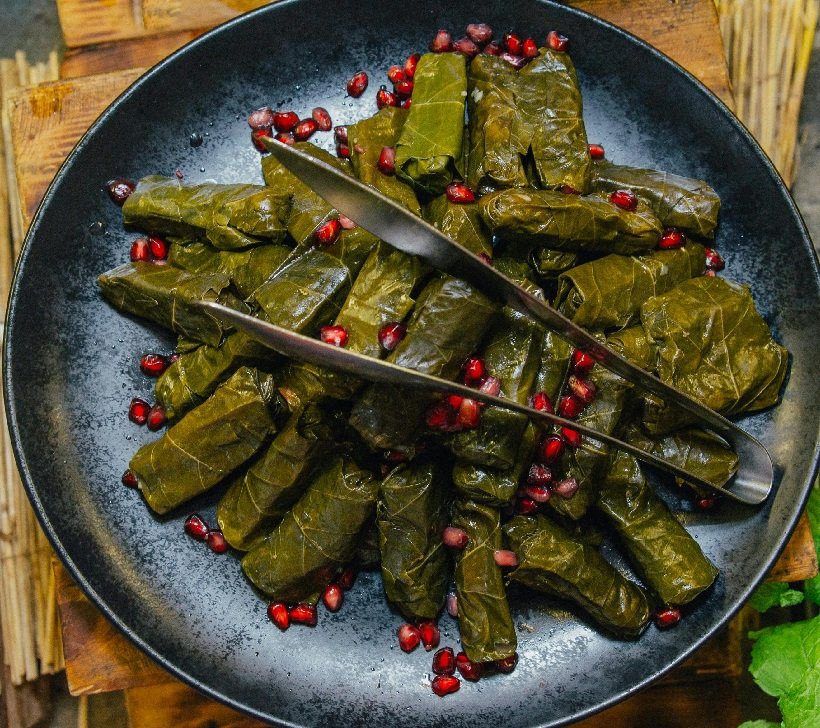
In recent years, Turkish cuisine has gained widespread popularity around the world for its rich flavors and diverse dishes. Turkish restaurants have become go-to destinations for food enthusiasts looking to indulge in authentic Middle Eastern cuisine. However, the financial landscape for Turkish restaurants has not been immune to the challenges brought about by the ever-changing economic climate and global crises such as the COVID-19 pandemic. In this blog post, we delve into the financial recovery strategies adopted by Turkish restaurants to navigate through these difficult times and emerge stronger. One of the key challenges faced by Turkish restaurants is the fluctuating costs of ingredients and supplies. With the volatility in the prices of essential ingredients such as lamb, beef, and spices, Turkish restaurant owners have had to strategize their sourcing methods to ensure profitability. Many have forged partnerships with local suppliers and farmers to secure a steady and cost-effective supply chain. This not only helps in managing costs but also contributes to the sustainability of the local economy. Moreover, the pandemic-induced restrictions and lockdowns have significantly impacted the dine-in business of Turkish restaurants. To adapt to the changing consumer behavior, many restaurants have shifted their focus towards offering takeout and delivery services. Embracing technology and leveraging third-party delivery platforms have allowed Turkish restaurants to reach a wider customer base and generate additional revenue streams. Some restaurants have also introduced meal kits and DIY cooking classes to engage customers and create a unique dining experience at home. Beyond operational changes, financial recovery for Turkish restaurants also involves prudent financial management and investment decisions. Restaurant owners are exploring avenues for financial assistance such as government grants, relief programs, and loans to stabilize their cash flow and cover operating expenses. Implementing cost-saving measures, renegotiating lease agreements, and diversifying revenue streams through catering services or merchandise sales are some of the strategies being adopted to improve financial resilience. Furthermore, building and strengthening relationships with loyal customers and the local community play a crucial role in the financial recovery of Turkish restaurants. Engaging customers through social media campaigns, special promotions, and loyalty programs not only fosters customer loyalty but also drives repeat business and word-of-mouth referrals. Collaborating with local businesses, organizing community events, and participating in food festivals are effective ways to create brand awareness and attract new customers. In conclusion, the financial recovery journey for Turkish restaurants is a multifaceted process that requires resilience, creativity, and adaptability. By implementing a mix of operational, financial, and marketing strategies, Turkish restaurant owners can overcome challenges, revitalize their businesses, and thrive in the competitive food industry. As the demand for Turkish cuisine continues to grow, the future looks promising for Turkish restaurants that are committed to innovation and excellence in their offerings. Through determination and a customer-centric approach, Turkish restaurants can emerge stronger from the challenges they face, paving the way for a successful and sustainable future in the culinary world.
Leave a Comment:
SEARCH
Recent News
- Zurich, Switzerland is known for its multicultural atmosphere and diverse culinary scene. One of the lesser-known gems of Zurich's food scene is Sudanese cuisine. Sudanese cuisine is a reflection of the country's diverse cultural influences, blending Arabic, African, and Mediterranean flavors to create a unique and delicious culinary experience.
- Zurich, Switzerland: A Culinary Journey through Regional Cuisine
- Zurich, Switzerland is known for its stunning landscapes, rich history, and vibrant culture. However, another aspect of Zurich that shouldn't be overlooked is its diverse and delicious fast food scene. From traditional Swiss street food to international favorites, there is something to satisfy every craving in Zurich. Let's take a closer look at some of the popular fast food options you can find in this picturesque city.
- Zurich, Switzerland is known for its stunning natural beauty, vibrant arts scene, and strong economy. However, what many people may not know is that this dynamic city also offers a diverse culinary experience that includes delicacies from around the world. One such cuisine that has found a home in Zurich is Philippine cuisine.
- Zurich, Switzerland is known for its picturesque views, stunning architecture, and vibrant cultural scene. Located in the heart of Europe, Zurich offers a mix of traditional Swiss cuisine and international flavors. One particular cuisine that has been making waves in Zurich is Paraguayan cuisine.
- Zurich, Switzerland is a city known for its stunning views, picturesque streets, and vibrant culture. It is also a melting pot of diverse culinary influences, with a wide range of cuisines to choose from. One such cuisine that has made its mark in Zurich is Norwegian cuisine.
- Zurich, Switzerland, and Montreal, Canada, are two vibrant cities known for their distinct cultural characteristics. While Zurich is renowned for its picturesque landscapes, rich history, and high standard of living, Montreal is famous for its diverse population, vibrant arts scene, and mouth-watering cuisine. In this blog post, we will delve into the delectable culinary offerings of Montreal and explore how its unique food scene sets it apart from the culinary landscape of Zurich.
- Zurich, Switzerland is a vibrant city known for its stunning architecture, picturesque landscapes, and diverse culinary scene. While Swiss cuisine certainly holds a special place in the hearts of many locals and visitors, the city also boasts a variety of international dining options, including Latin American food.
READ MORE
10 months ago Category : Turkish Food Logistics Companies en

Zurich, Switzerland is known for its multicultural atmosphere and diverse culinary scene. One of the lesser-known gems of Zurich's food scene is Sudanese cuisine. Sudanese cuisine is a reflection of the country's diverse cultural influences, blending Arabic, African, and Mediterranean flavors to create a unique and delicious culinary experience.
Read More →10 months ago Category : Turkish Food Logistics Companies en

Zurich, Switzerland: A Culinary Journey through Regional Cuisine
Read More →10 months ago Category : Turkish Food Logistics Companies en

Zurich, Switzerland is known for its stunning landscapes, rich history, and vibrant culture. However, another aspect of Zurich that shouldn't be overlooked is its diverse and delicious fast food scene. From traditional Swiss street food to international favorites, there is something to satisfy every craving in Zurich. Let's take a closer look at some of the popular fast food options you can find in this picturesque city.
Read More →10 months ago Category : Turkish Food Logistics Companies en
