The Intersection of Farming Technology and Turkish Restaurants
Category : Turkish Food Logistics Companies en | Sub Category : Posted on 2024-10-05 22:25:23
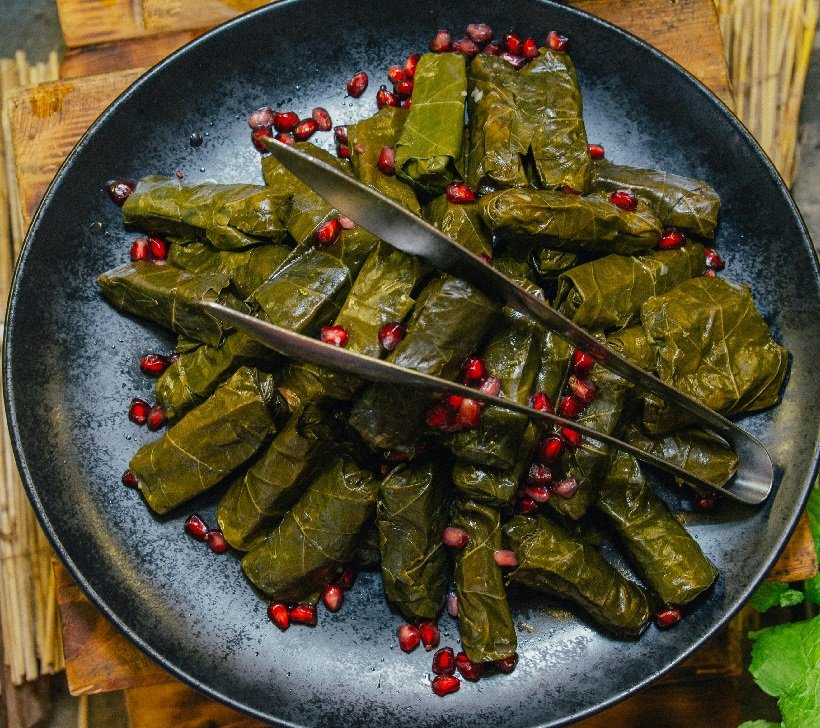
In recent years, technological advancements have significantly transformed the way we produce food through innovative farming practices. At the same time, the culinary world has seen a rise in the popularity of Turkish cuisine, known for its rich flavors and diverse dishes. In this blog post, we will explore how farming technology is impacting Turkish restaurants and the food they serve. One of the key areas where farming technology is making a difference in Turkish restaurants is in the sourcing of ingredients. With the help of vertical farming and hydroponics, restaurant owners can now grow fresh herbs and vegetables right on-site or in urban settings. This not only ensures a steady supply of quality produce but also reduces the restaurant's carbon footprint by cutting down on transportation costs. Moreover, precision agriculture techniques such as drones and sensors are being used to monitor and optimize crop yield and quality. This means that Turkish restaurants can access a wider variety of fresh, locally sourced ingredients to elevate the authenticity and taste of their dishes. From juicy tomatoes to fragrant herbs, diners can enjoy a farm-to-table experience that showcases the best of Turkish produce. Another way farming technology is reshaping Turkish restaurants is through sustainable practices such as composting and water conservation. By composting organic waste and recycling water, restaurants can minimize food waste and reduce their environmental impact. This commitment to sustainability not only aligns with the values of Turkish cuisine, which emphasizes fresh and natural ingredients, but also reflects a greater awareness of the importance of responsible food sourcing. Furthermore, advancements in food preservation technology, such as vacuum sealing and cold storage, are enabling Turkish restaurants to extend the shelf life of ingredients without compromising on taste or quality. This means that chefs can experiment with seasonal produce year-round and offer a diverse menu that celebrates the rich culinary heritage of Turkey. In conclusion, the fusion of farming technology and Turkish restaurants presents an exciting opportunity to enhance the dining experience for food enthusiasts around the world. By leveraging innovative agricultural practices and sustainable initiatives, Turkish restaurants can continue to delight diners with authentic flavors and fresh ingredients while contributing to a more eco-friendly food ecosystem. As technology continues to evolve, we can expect even more exciting innovations at the intersection of farming and dining, shaping the future of Turkish cuisine for generations to come.
Leave a Comment:
SEARCH
Recent News
- Zurich, Switzerland is known for its multicultural atmosphere and diverse culinary scene. One of the lesser-known gems of Zurich's food scene is Sudanese cuisine. Sudanese cuisine is a reflection of the country's diverse cultural influences, blending Arabic, African, and Mediterranean flavors to create a unique and delicious culinary experience.
- Zurich, Switzerland: A Culinary Journey through Regional Cuisine
- Zurich, Switzerland is known for its stunning landscapes, rich history, and vibrant culture. However, another aspect of Zurich that shouldn't be overlooked is its diverse and delicious fast food scene. From traditional Swiss street food to international favorites, there is something to satisfy every craving in Zurich. Let's take a closer look at some of the popular fast food options you can find in this picturesque city.
- Zurich, Switzerland is known for its stunning natural beauty, vibrant arts scene, and strong economy. However, what many people may not know is that this dynamic city also offers a diverse culinary experience that includes delicacies from around the world. One such cuisine that has found a home in Zurich is Philippine cuisine.
- Zurich, Switzerland is known for its picturesque views, stunning architecture, and vibrant cultural scene. Located in the heart of Europe, Zurich offers a mix of traditional Swiss cuisine and international flavors. One particular cuisine that has been making waves in Zurich is Paraguayan cuisine.
- Zurich, Switzerland is a city known for its stunning views, picturesque streets, and vibrant culture. It is also a melting pot of diverse culinary influences, with a wide range of cuisines to choose from. One such cuisine that has made its mark in Zurich is Norwegian cuisine.
- Zurich, Switzerland, and Montreal, Canada, are two vibrant cities known for their distinct cultural characteristics. While Zurich is renowned for its picturesque landscapes, rich history, and high standard of living, Montreal is famous for its diverse population, vibrant arts scene, and mouth-watering cuisine. In this blog post, we will delve into the delectable culinary offerings of Montreal and explore how its unique food scene sets it apart from the culinary landscape of Zurich.
- Zurich, Switzerland is a vibrant city known for its stunning architecture, picturesque landscapes, and diverse culinary scene. While Swiss cuisine certainly holds a special place in the hearts of many locals and visitors, the city also boasts a variety of international dining options, including Latin American food.
READ MORE
10 months ago Category : Turkish Food Logistics Companies en

Zurich, Switzerland is known for its multicultural atmosphere and diverse culinary scene. One of the lesser-known gems of Zurich's food scene is Sudanese cuisine. Sudanese cuisine is a reflection of the country's diverse cultural influences, blending Arabic, African, and Mediterranean flavors to create a unique and delicious culinary experience.
Read More →10 months ago Category : Turkish Food Logistics Companies en

Zurich, Switzerland: A Culinary Journey through Regional Cuisine
Read More →10 months ago Category : Turkish Food Logistics Companies en

Zurich, Switzerland is known for its stunning landscapes, rich history, and vibrant culture. However, another aspect of Zurich that shouldn't be overlooked is its diverse and delicious fast food scene. From traditional Swiss street food to international favorites, there is something to satisfy every craving in Zurich. Let's take a closer look at some of the popular fast food options you can find in this picturesque city.
Read More →10 months ago Category : Turkish Food Logistics Companies en
