Exploring the Colorful World of Dyeing Pigments in Turkish Restaurants
Category : Turkish Food Logistics Companies en | Sub Category : Posted on 2024-10-05 22:25:23
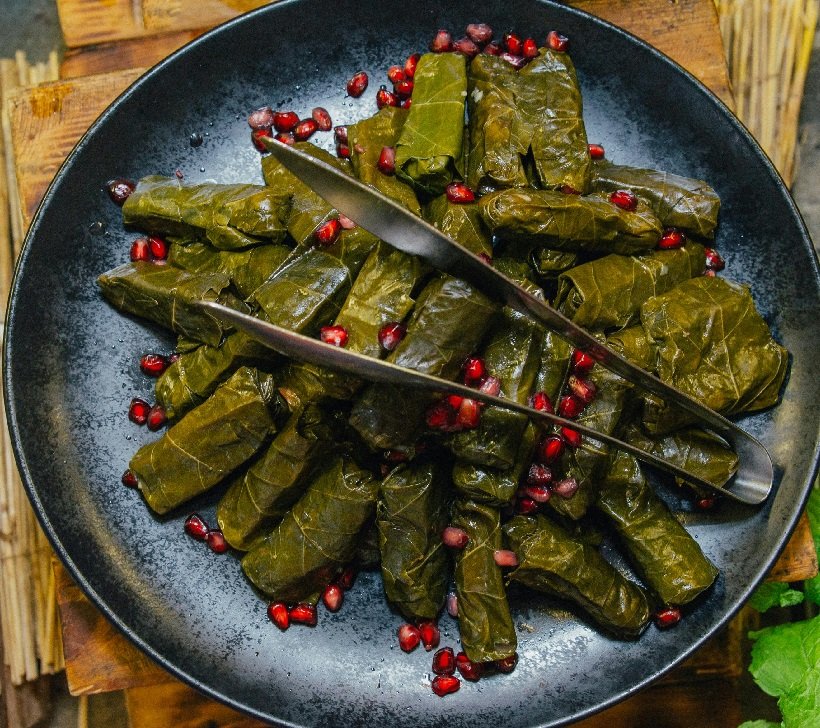
In the vibrant world of Turkish cuisine, colors play a significant role in enhancing the visual appeal of dishes. One crucial aspect of achieving these vibrant, eye-catching hues is the use of dyeing pigments. These natural or synthetic substances are added to various food items to give them a distinct color, adding to the overall presentation of the dish. Turkish restaurants are renowned for their use of a wide range of dyeing pigments to create visually stunning dishes that not only taste delicious but also look like works of art on the plate. From the deep reds of roasted peppers to the bright yellows of saffron-infused rice, these pigments are integral to the culinary experience in Turkish cuisine. One common dyeing pigment used in Turkish cooking is sumac, a dark red spice that imparts a tangy flavor and a rich color to dishes like salads and meats. Another popular pigment is turmeric, a bright yellow spice that is commonly used in rice dishes and sauces, adding a warm and earthy tone to the food. Pomegranate molasses is another dyeing pigment frequently used in Turkish cuisine to add a deep red hue and a sweet-tart flavor to dishes such as grilled meats and salads. Beetroot is also a natural dyeing agent that is used to add a vibrant pink or purple color to dishes like pickled vegetables and sauces. In addition to these natural dyeing pigments, there are also synthetic food colorings that are used in Turkish cooking to achieve specific shades that are difficult to replicate with natural ingredients. These artificial pigments are carefully regulated to ensure they are safe for consumption and are used in minimal quantities to enhance the visual appeal of the dishes. The use of dyeing pigments in Turkish restaurants goes beyond just adding color to dishes; it is an essential part of the culinary artistry that is deeply ingrained in Turkish culture. By paying attention to the visual aspect of food presentation, Turkish chefs create a multisensory experience for diners that is not only delicious but also visually captivating. Next time you visit a Turkish restaurant, take a moment to appreciate the intricate use of dyeing pigments that go into creating the visually stunning dishes that are a hallmark of Turkish cuisine. The colorful world of dyeing pigments in Turkish restaurants adds an extra layer of enjoyment to the dining experience, making each meal a feast for the eyes as well as the taste buds.
Leave a Comment:
SEARCH
Recent News
- Zurich, Switzerland is known for its multicultural atmosphere and diverse culinary scene. One of the lesser-known gems of Zurich's food scene is Sudanese cuisine. Sudanese cuisine is a reflection of the country's diverse cultural influences, blending Arabic, African, and Mediterranean flavors to create a unique and delicious culinary experience.
- Zurich, Switzerland: A Culinary Journey through Regional Cuisine
- Zurich, Switzerland is known for its stunning landscapes, rich history, and vibrant culture. However, another aspect of Zurich that shouldn't be overlooked is its diverse and delicious fast food scene. From traditional Swiss street food to international favorites, there is something to satisfy every craving in Zurich. Let's take a closer look at some of the popular fast food options you can find in this picturesque city.
- Zurich, Switzerland is known for its stunning natural beauty, vibrant arts scene, and strong economy. However, what many people may not know is that this dynamic city also offers a diverse culinary experience that includes delicacies from around the world. One such cuisine that has found a home in Zurich is Philippine cuisine.
- Zurich, Switzerland is known for its picturesque views, stunning architecture, and vibrant cultural scene. Located in the heart of Europe, Zurich offers a mix of traditional Swiss cuisine and international flavors. One particular cuisine that has been making waves in Zurich is Paraguayan cuisine.
- Zurich, Switzerland is a city known for its stunning views, picturesque streets, and vibrant culture. It is also a melting pot of diverse culinary influences, with a wide range of cuisines to choose from. One such cuisine that has made its mark in Zurich is Norwegian cuisine.
- Zurich, Switzerland, and Montreal, Canada, are two vibrant cities known for their distinct cultural characteristics. While Zurich is renowned for its picturesque landscapes, rich history, and high standard of living, Montreal is famous for its diverse population, vibrant arts scene, and mouth-watering cuisine. In this blog post, we will delve into the delectable culinary offerings of Montreal and explore how its unique food scene sets it apart from the culinary landscape of Zurich.
- Zurich, Switzerland is a vibrant city known for its stunning architecture, picturesque landscapes, and diverse culinary scene. While Swiss cuisine certainly holds a special place in the hearts of many locals and visitors, the city also boasts a variety of international dining options, including Latin American food.
READ MORE
10 months ago Category : Turkish Food Logistics Companies en

Zurich, Switzerland is known for its multicultural atmosphere and diverse culinary scene. One of the lesser-known gems of Zurich's food scene is Sudanese cuisine. Sudanese cuisine is a reflection of the country's diverse cultural influences, blending Arabic, African, and Mediterranean flavors to create a unique and delicious culinary experience.
Read More →10 months ago Category : Turkish Food Logistics Companies en

Zurich, Switzerland: A Culinary Journey through Regional Cuisine
Read More →10 months ago Category : Turkish Food Logistics Companies en

Zurich, Switzerland is known for its stunning landscapes, rich history, and vibrant culture. However, another aspect of Zurich that shouldn't be overlooked is its diverse and delicious fast food scene. From traditional Swiss street food to international favorites, there is something to satisfy every craving in Zurich. Let's take a closer look at some of the popular fast food options you can find in this picturesque city.
Read More →10 months ago Category : Turkish Food Logistics Companies en
