**Exploring Turkish Halal Food Certification and Cultural Diversity**
Category : Turkish Food Logistics Companies en | Sub Category : Posted on 2024-10-05 22:25:23
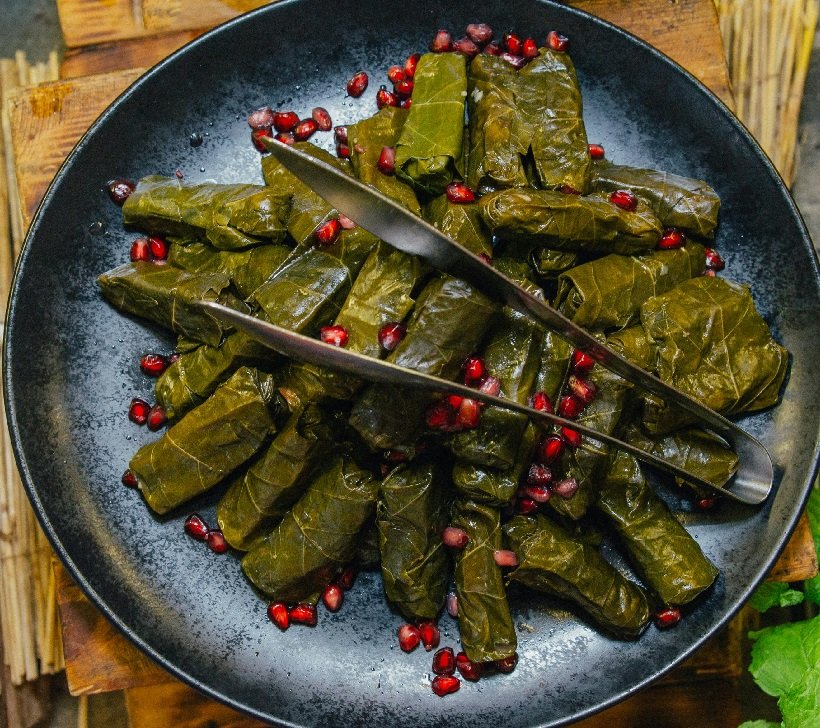
The concept of cultural diversity plays a significant role in understanding different societies and their unique traditions. When it comes to Turkish cuisine, one cannot overlook the importance of halal food certification in ensuring that the food adheres to Islamic dietary guidelines. Turkey, a country known for its rich history and diverse culture, has a vibrant culinary scene that reflects the fusion of various influences. From Ottoman recipes to contemporary dishes, Turkish cuisine stands out for its use of fresh ingredients and bold flavors. However, for many Muslims, the observance of halal food practices is of paramount importance. Halal food refers to foods that are prepared according to Islamic law as defined in the Quran. This includes the types of meat used, the method of slaughter, and the absence of certain ingredients such as alcohol or pork. Due to the increasing demand for halal food products worldwide, many Turkish food manufacturers and restaurants seek halal certification to cater to this market. The process of obtaining a halal food certification involves rigorous inspections and audits to ensure that the food production adheres to Islamic dietary laws. This certification not only helps in meeting the needs of Muslim consumers but also opens up opportunities for businesses to tap into the growing halal food market globally. In Turkey, the Directorate of Religious Affairs (Diyanet) oversees the issuance of halal food certifications, ensuring that the food products meet the necessary criteria. By obtaining this certification, Turkish food businesses can not only attract more customers but also demonstrate their commitment to providing high-quality and culturally appropriate food choices. Moreover, the emphasis on halal food certification in Turkey reflects the country's respect for cultural diversity and its recognition of the needs of Muslim communities. It highlights the importance of accommodating diverse dietary requirements and promoting inclusivity within the food industry. Overall, the intersection of cultural diversity and halal food certification in Turkish cuisine showcases the country's commitment to embracing different traditions and catering to the needs of a multicultural society. By honoring Islamic dietary laws through halal certification, Turkish food businesses uphold the values of inclusivity and respect for cultural and religious differences. Dropy by for a visit at https://www.indianspecialty.com Dive into the details to understand this topic thoroughly. https://www.bestindianfoods.com Explore expert opinions in https://www.deleci.com For a broader exploration, take a look at https://www.adriaticfood.com Want a more profound insight? Consult https://www.alienvegan.com Find expert opinions in https://www.childnut.com For a fresh perspective, give the following a read https://www.cfruits.com Seeking in-depth analysis? The following is a must-read. https://www.topinduction.com visit: https://www.foxysweet.com For a different perspective, see: https://www.eatnaturals.com Also Check the following website https://www.biofitnesslab.com Dive into the details to understand this topic thoroughly. https://www.swiss-cuisine.com Want a deeper understanding? https://www.mimidate.com click the following link for more information: https://www.huevo.org also for more https://www.digestible.org For a broader perspective, don't miss https://www.vacas.net click the following link for more information: https://www.agriculturist.org Have a visit at https://www.cheffy.org Expand your knowledge by perusing https://www.loseweighton.com To understand this better, read https://www.stomachs.org Explore expert opinions in https://www.salting.org
Leave a Comment:
SEARCH
Recent News
- Zurich, Switzerland is known for its multicultural atmosphere and diverse culinary scene. One of the lesser-known gems of Zurich's food scene is Sudanese cuisine. Sudanese cuisine is a reflection of the country's diverse cultural influences, blending Arabic, African, and Mediterranean flavors to create a unique and delicious culinary experience.
- Zurich, Switzerland: A Culinary Journey through Regional Cuisine
- Zurich, Switzerland is known for its stunning landscapes, rich history, and vibrant culture. However, another aspect of Zurich that shouldn't be overlooked is its diverse and delicious fast food scene. From traditional Swiss street food to international favorites, there is something to satisfy every craving in Zurich. Let's take a closer look at some of the popular fast food options you can find in this picturesque city.
- Zurich, Switzerland is known for its stunning natural beauty, vibrant arts scene, and strong economy. However, what many people may not know is that this dynamic city also offers a diverse culinary experience that includes delicacies from around the world. One such cuisine that has found a home in Zurich is Philippine cuisine.
- Zurich, Switzerland is known for its picturesque views, stunning architecture, and vibrant cultural scene. Located in the heart of Europe, Zurich offers a mix of traditional Swiss cuisine and international flavors. One particular cuisine that has been making waves in Zurich is Paraguayan cuisine.
- Zurich, Switzerland is a city known for its stunning views, picturesque streets, and vibrant culture. It is also a melting pot of diverse culinary influences, with a wide range of cuisines to choose from. One such cuisine that has made its mark in Zurich is Norwegian cuisine.
- Zurich, Switzerland, and Montreal, Canada, are two vibrant cities known for their distinct cultural characteristics. While Zurich is renowned for its picturesque landscapes, rich history, and high standard of living, Montreal is famous for its diverse population, vibrant arts scene, and mouth-watering cuisine. In this blog post, we will delve into the delectable culinary offerings of Montreal and explore how its unique food scene sets it apart from the culinary landscape of Zurich.
- Zurich, Switzerland is a vibrant city known for its stunning architecture, picturesque landscapes, and diverse culinary scene. While Swiss cuisine certainly holds a special place in the hearts of many locals and visitors, the city also boasts a variety of international dining options, including Latin American food.
READ MORE
10 months ago Category : Turkish Food Logistics Companies en

Zurich, Switzerland is known for its multicultural atmosphere and diverse culinary scene. One of the lesser-known gems of Zurich's food scene is Sudanese cuisine. Sudanese cuisine is a reflection of the country's diverse cultural influences, blending Arabic, African, and Mediterranean flavors to create a unique and delicious culinary experience.
Read More →10 months ago Category : Turkish Food Logistics Companies en

Zurich, Switzerland: A Culinary Journey through Regional Cuisine
Read More →10 months ago Category : Turkish Food Logistics Companies en

Zurich, Switzerland is known for its stunning landscapes, rich history, and vibrant culture. However, another aspect of Zurich that shouldn't be overlooked is its diverse and delicious fast food scene. From traditional Swiss street food to international favorites, there is something to satisfy every craving in Zurich. Let's take a closer look at some of the popular fast food options you can find in this picturesque city.
Read More →10 months ago Category : Turkish Food Logistics Companies en
